Author: Kevin

  • TheBlackManCan – Website Redesign & Brand Enhancement

    TheBlackManCan – Website Redesign & Brand Enhancement

    Introduction & Client Goal

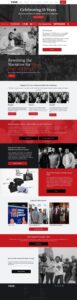
    Brief: TheBlackManCan is an organization dedicated to celebrating and empowering Black men and boys. Their online presence was previously split across two websites: a .com site for e-commerce and success stories, and a .org site focused on the foundation’s core mission.

    Client Goal: To consolidate the two platforms into a single, cohesive .org website that clearly communicates the foundation’s mission, integrates success stories effectively, improves user engagement, and presents a modern, professional brand image.

    My Role & Collaboration

    Role: Lead Designer (UX/UI & Brand Strategy)

    Responsibilities: User research (including competitive analysis), information architecture, user journey mapping, wireframing, prototyping, visual design, and creating UI components/styles in Figma for developer handoff.

    Collaboration: Worked closely with developer Tirzah Johnson, who expertly handled the website implementation based on the Figma designs.

    The Challenge: A Fragmented Experience

    The previous split-site structure created several key challenges:

    • Fragmented User Experience: Visitors struggled to get a complete picture, needing to navigate between two distinct sites.
    • Brand Dilution: Maintaining consistency in messaging and visuals across two platforms proved difficult.
    • Content Silos: Inspiring success stories were disconnected from the core foundation information, lessening their impact.
    • Operational Inefficiency: Managing two separate websites demanded duplicated effort.

    The primary challenge was to merge these platforms strategically, creating a unified digital presence focused on the foundation’s mission while enhancing the user journey for key personas.

    The Process: Research, Strategy & Design

    My design process focused on understanding the user, the competitive landscape, and the strategic goals before moving into visual execution.

    Discovery & User Understanding

    • Persona Definition: We focused on personas like “Marcus,” a young Black man (18-25) seeking inspiration and connection, to guide design decisions. His primary goal: finding relatable stories of achievement and positive identity.
    • Competitive Analysis: To understand the landscape, I analyzed competitors like Blavity, AndScape, CassiusLife, etc.

    • Key Insights:
      • Opportunity for Clarity: Many competitors suffered from busy layouts or unclear navigation, highlighting a need for TheBlackManCan to prioritize a simplified, clean user experience.
      • Visual Polish Matters: Sites like AndScape and The Players Tribune demonstrated the impact of strong visual design, setting a benchmark for the redesign.
      • Content Focus: The analysis reinforced the decision to focus the merged site on the foundation’s core mission and impact stories, differentiating it from broader lifestyle or publishing platforms.
    • User Journey Mapping (Comparative): Based on the persona and goal, I mapped the user journey for finding inspiring content on both the old fragmented sites and envisioned the improved journey for the new consolidated site.
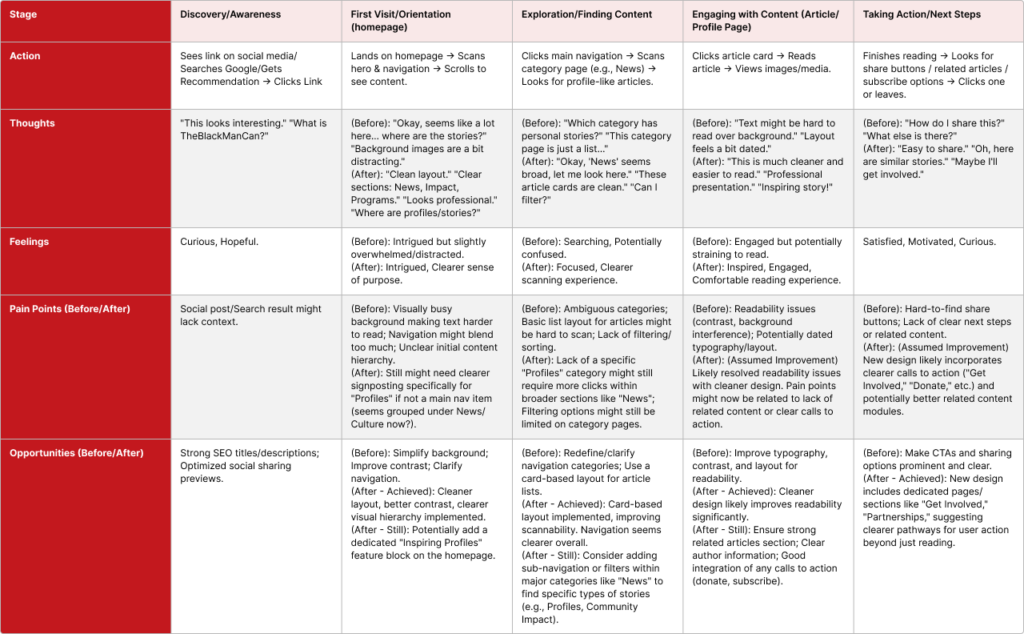
    • Key Pain Points (Old): Confusing navigation between sites, difficulty finding specific profile/story content, inconsistent visual experience, unclear calls to action.
    • Key Improvements (New): Unified navigation, clearer content categories/cards, improved readability, dedicated sections for engagement (“Get Involved”).

    Design Strategy & Wireframing

    The research phase led to a strategy focused on:

    • Unified Information Architecture: Creating a single, intuitive navigation structure for the merged site.
    • Content Prioritization: Emphasizing the foundation’s mission, impact, and programs.
    • Streamlined User Flows: Making it easier for users like Marcus to find inspiring stories and ways to engage. (Include 1-2 key wireframe examples if available, showing the structural changes)

    Visual Design & System in Figma

    • Brand Enhancement: Refined and modernized the existing visual identity, establishing a clean, professional aesthetic with strong typography and imagery, suitable for the foundation’s mission.
    • UI Design: Designed key page templates and components in Figma, focusing on readability, accessibility, and brand consistency.
    • Component Library: Created reusable components (buttons, cards, navigation elements) and defined styles (colors, typography) in Figma to ensure consistency and facilitate efficient developer handoff.

    Handoff & Implementation

    • Provided detailed Figma prototypes and design specifications to the developer, Tirzah, ensuring a smooth transition from design to live site. Maintained close communication throughout the build process.

    The Solution & Outcome: A Unified Platform

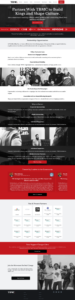
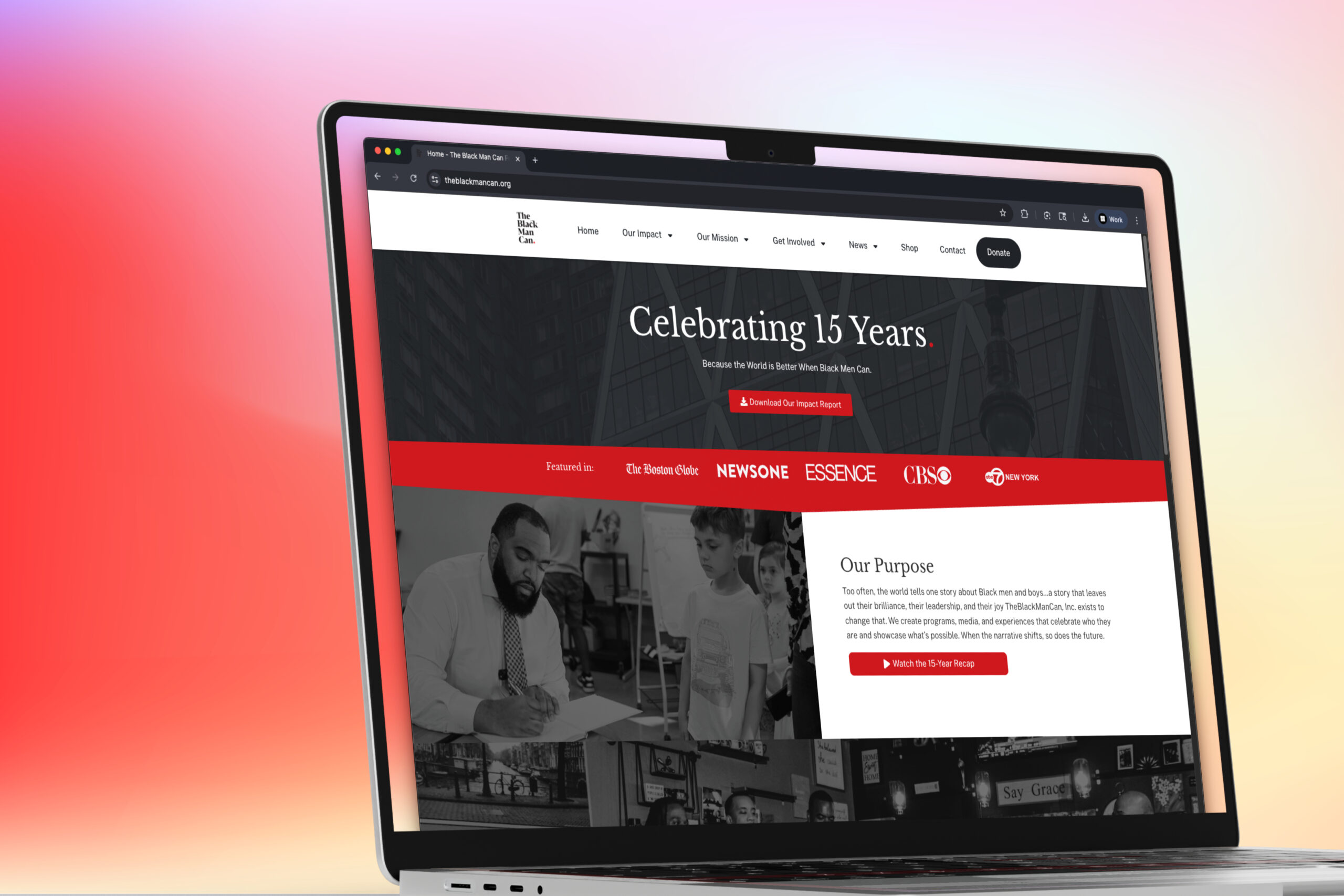
    The redesigned TheBlackManCan.org successfully integrates the content and purpose of two previous sites into a single, impactful platform.

    • Consolidated Experience: All content (News, Programs, Impact Stories, Get Involved, Partnerships) now lives under one roof with clear navigation.
    • Mission-Focused: The design prioritizes the foundation’s work, impact, and ways for the community to connect.
    • Improved UX: A cleaner layout, card-based content presentation, and refined information architecture make the site easier to scan, read, and navigate, directly addressing pain points identified in the user journey.
    • Modernized Brand: The updated visual design presents a more professional and engaging face for the organization.

    Key Learnings

    • The Power of Consolidation: Merging the two sites significantly clarified the brand message and improved the user journey, demonstrating the importance of strategic information architecture.
    • User Journey Mapping Value: Comparing the “before” and “after” user journeys clearly highlighted the UX improvements achieved through the redesign.
    • Design-Dev Collaboration: Close partnership with the developer was crucial for successfully translating the Figma designs into a functional website.
  • Building a Scalable Brand & Product System

    Building a Scalable Brand & Product System

    The Challenge

    Freelance designers often juggle multiple tools – one for project management, another for time tracking, a separate app for invoicing, and yet another for client communication. This fragmentation leads to inefficiency, lost billable hours, and a disconnect between managing work and managing the business.

    DSGN MGMT was born from this challenge: How can we create an all-in-one platform tailored specifically for solo designers, helping them stop juggling and start designing?

    Furthermore, launching a new SaaS product requires a cohesive brand experience from the very first touchpoint. The core design challenge became: How do we build a flexible, scalable brand system in Figma that works seamlessly across a persuasive marketing website and a functional, data-dense application, ensuring consistency and efficiency at every stage?

    My Role: Founder & Full-Stack Designer

    As the founder of DSGN MGMT, I wore multiple hats throughout this process, driving the project from concept to a functional prototype:

    • Brand Strategist: Defining the target audience (solo freelancers), value proposition, and core brand identity.
    • Product Designer (UX/UI): Leading user research, information architecture, wireframing, prototyping, and building the design system in Figma.
    • Marketing Designer: Creating the public-facing website and initial campaign assets.

    The Process: From Strategy to Scalable System

    My approach focused on building a robust design system first, ensuring that every subsequent design decision was efficient, consistent, and scalable.

    Part I: Defining the Brand & Foundations

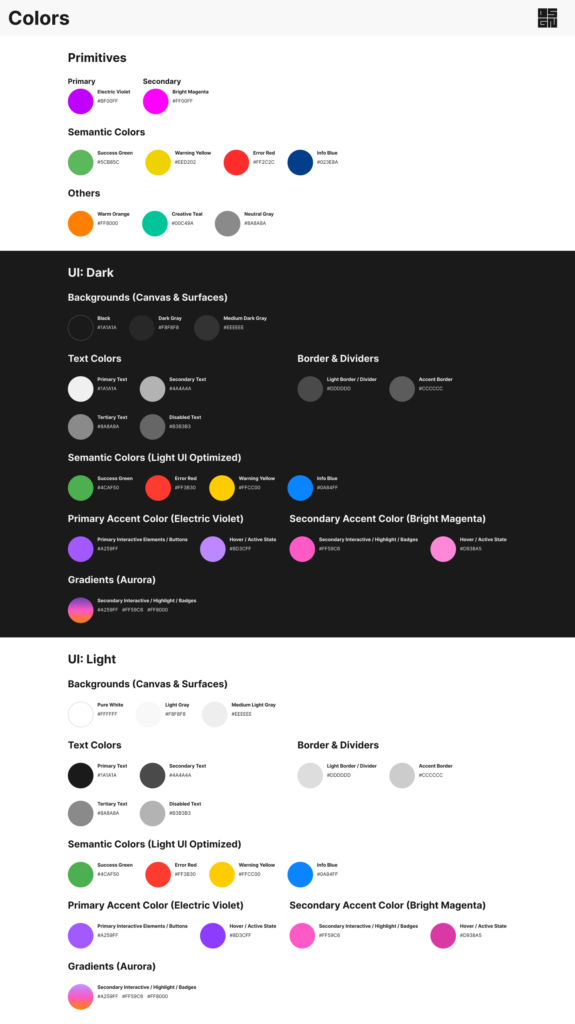
    The brand needed to feel modern, creative, efficient, and trustworthy. We established a core identity built on a vibrant “Modern & Creative” palette (Electric Violet, Bright Magenta, Warm Orange) balanced with clean neutrals for UI flexibility.

    Foundations Built in Figma:

    • Color System: Implemented using Figma Variables, including Primitive palettes and themed collections (Light & Dark modes) covering Brand, Semantic, UI Backgrounds, Text, and Borders. This allows for effortless theme switching.
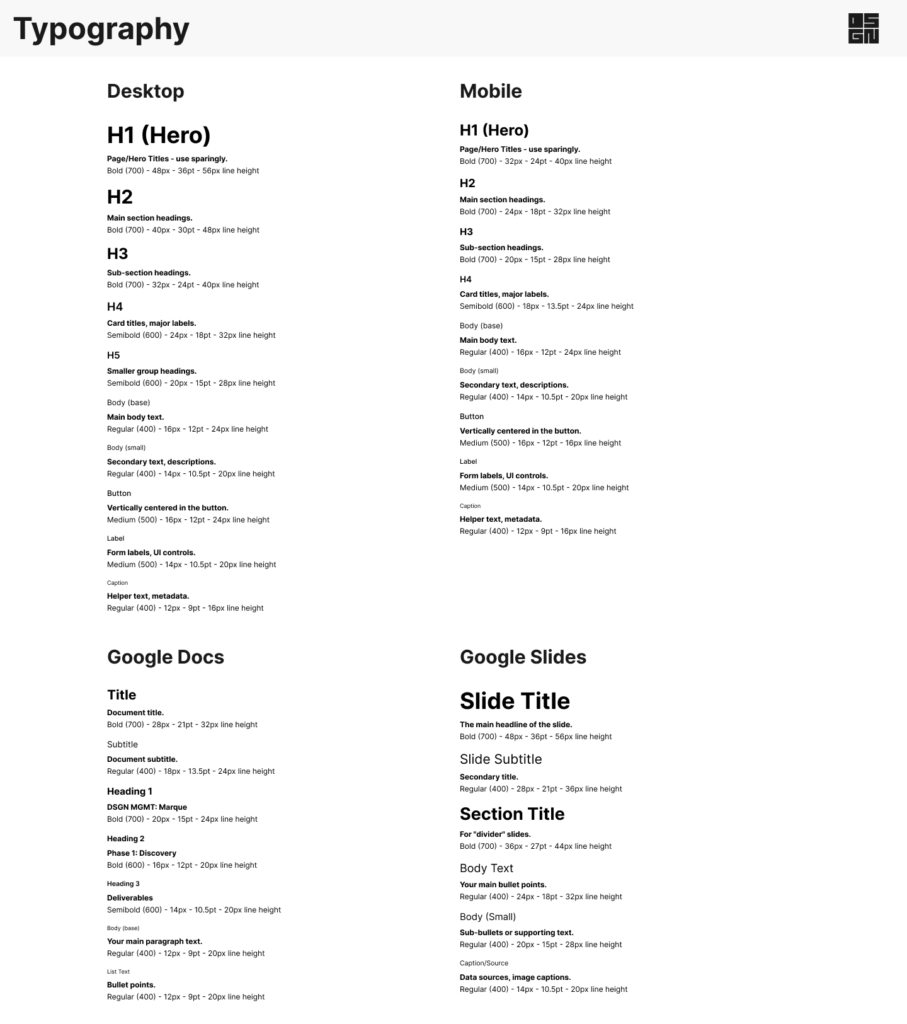
    • Typography System: Defined comprehensive type scales (using Inter) for Desktop, Mobile, Google Docs, and Google Slides, saved as Text Styles for consistency across all platforms.
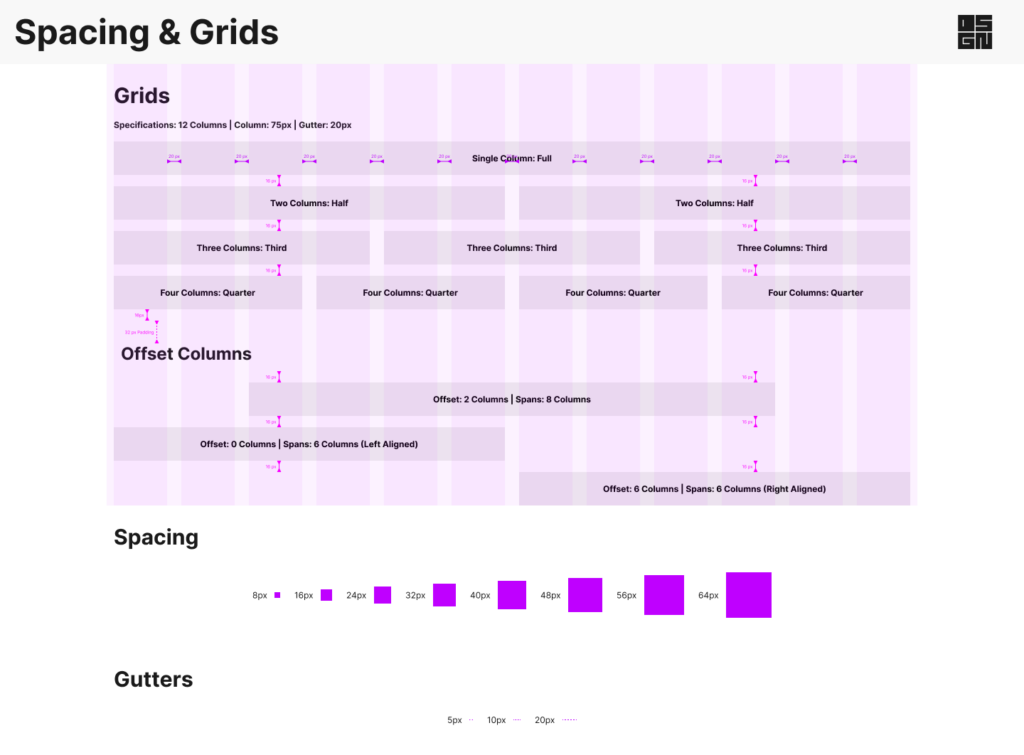
    • Spacing & Grid System: Established a 4px base unit and a derived spacing scale. Defined and saved a standard 12-column layout grid as a Layout Grid Style.
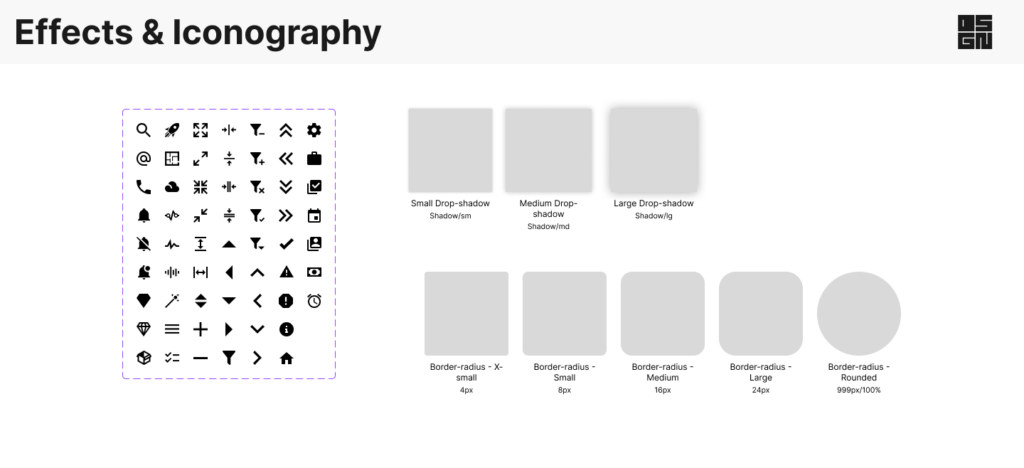
    • Effects & Iconography: Created standardized Effect Styles for shadows and radii. Componentized and systematically named a core set of UI icons

    Part II: Building the Component Library in Figma

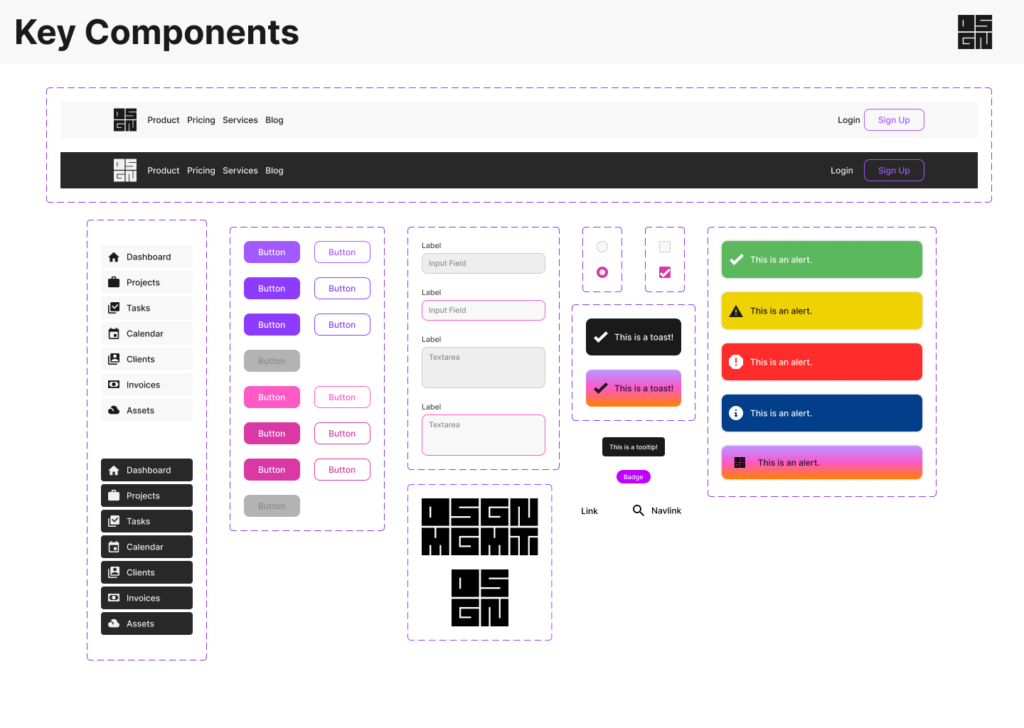
    With the foundations set, I built a library of reusable UI components, leveraging Auto Layout and Variants extensively. This library serves as the single source of truth for both marketing and product design.

    Key Components Included:

    • Buttons (Primary, Secondary, Icon Only; Leading/Trailing Icons)
    • Form Elements (Inputs, Checkboxes, Radios, Toggles, Dropdowns – with all states: Default, Hover, Focused, Error, Disabled)
    • Feedback Components (Alerts, Toasts, Modals, Tooltips, Badges)
    • Navigation Components (Global Header, Sidebar Navigation, Tabs)
    • Core Structure (Cards)

    Part III: Applying the System – The Marketing Website

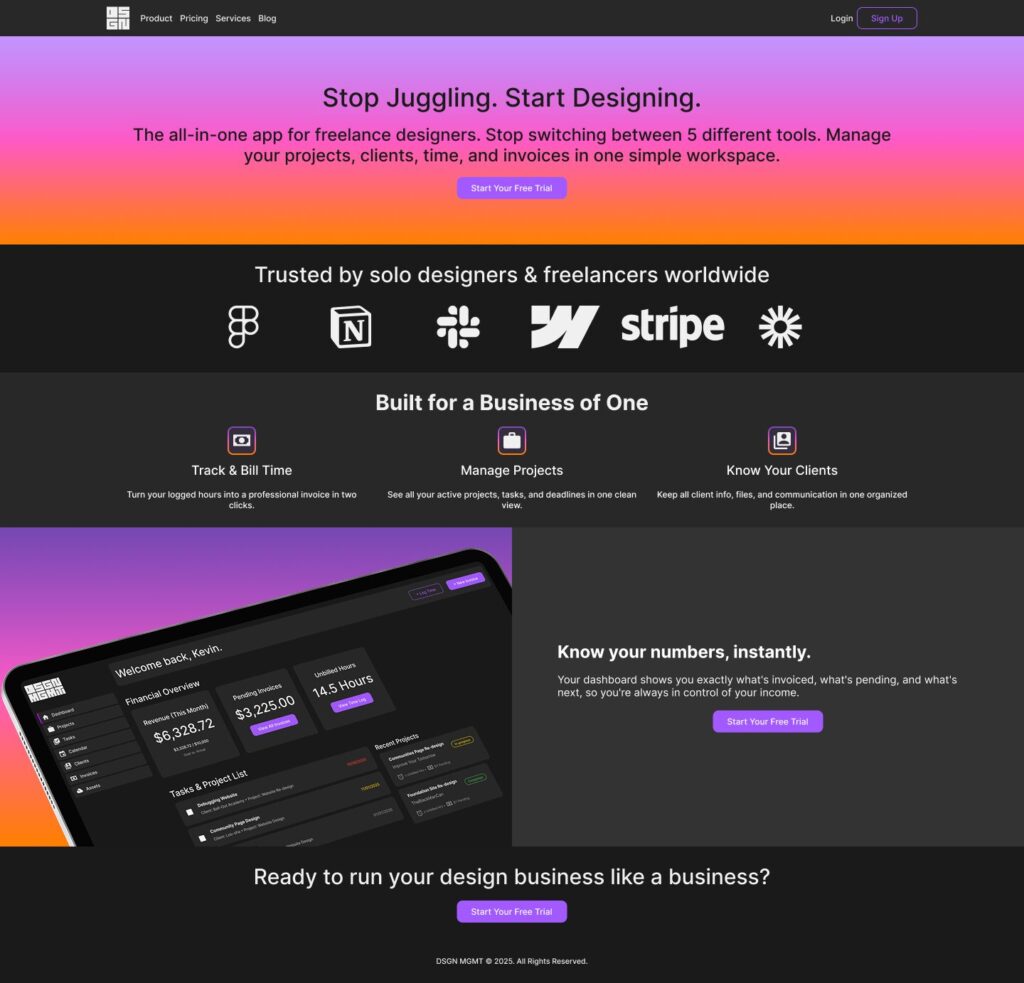
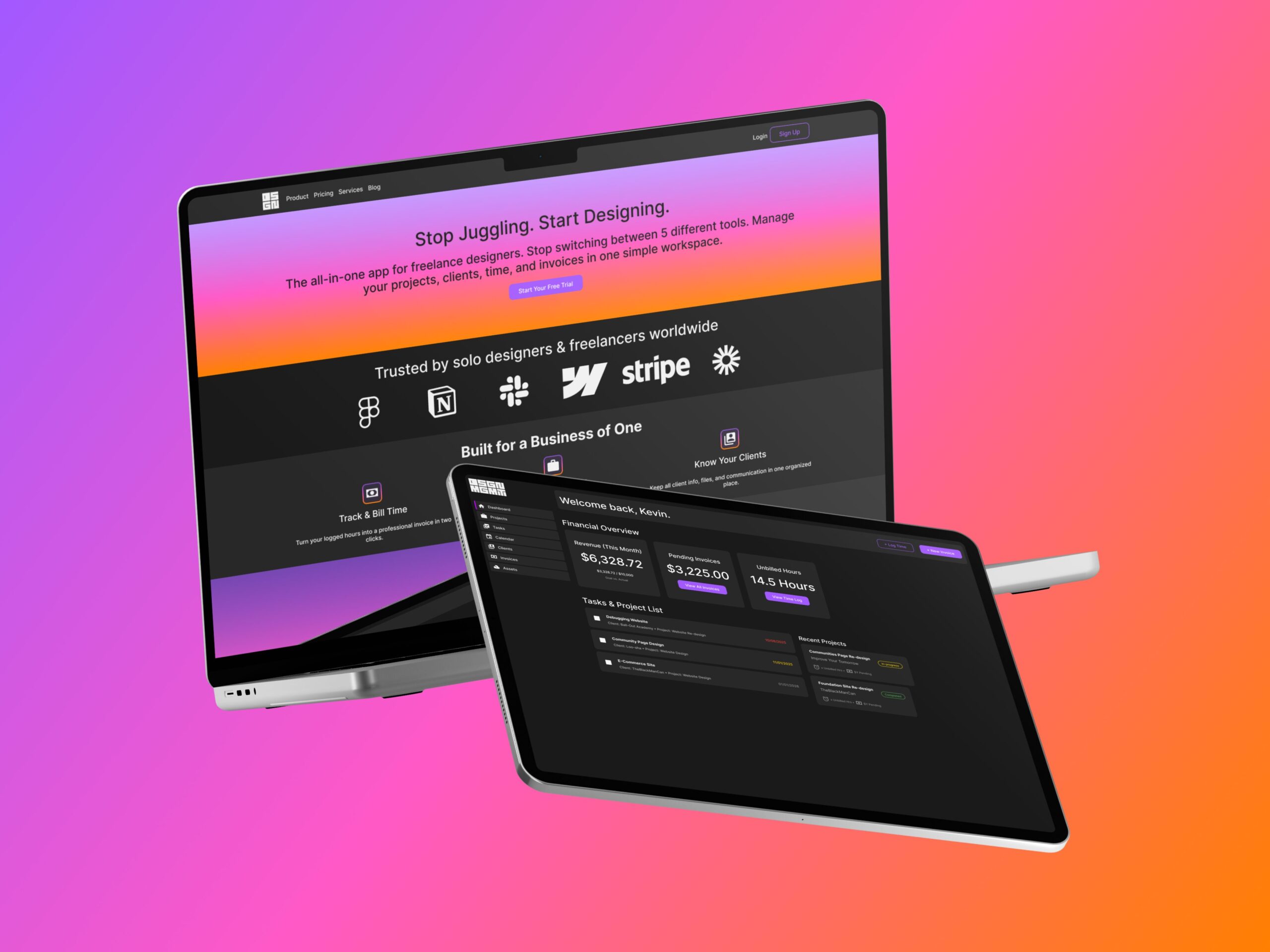
    The first application of the system was the public-facing marketing website. The goal was persuasion and driving sign-ups, utilizing the brand’s expressive elements.
    • Layout: Employed generous whitespace and the 12-column grid, mixing full-bleed sections with card-based layouts.
    • Color & Style: Leveraged the vibrant “Aurora” gradient in the hero, primary Electric Violet for CTAs, and secondary accents strategically.
    • Result: A polished, visually impactful site that clearly communicates the value proposition to solo designers, built efficiently using library components.

    Part IV: Applying the System – The In-App Experience

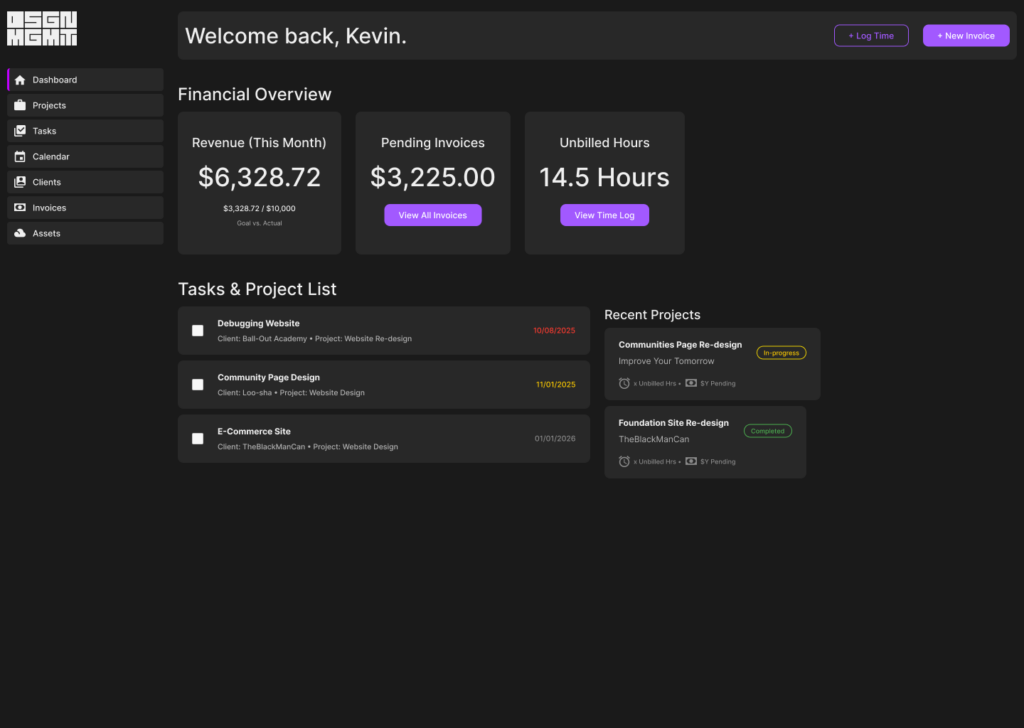
    The same system needed to adapt to a functional, data-dense application environment focused on efficiency.

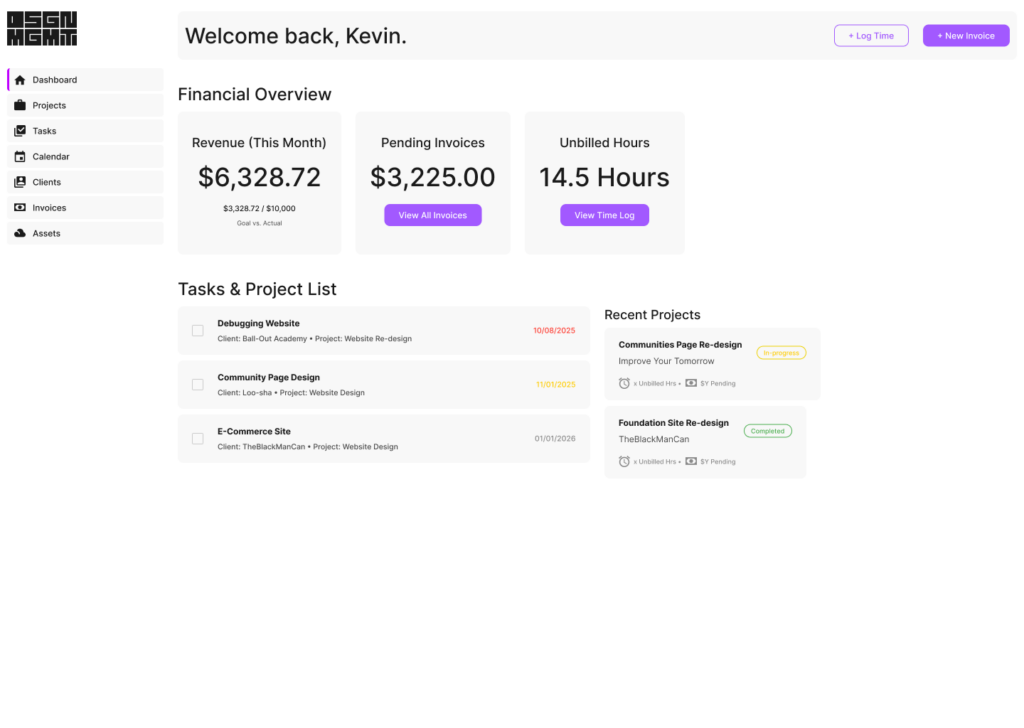
    • Layout: Shifted to a tighter, card-based layout using the Sidebar Navigation, prioritizing information density.
    • Color & Style: Implemented both Light and Dark Modes using the established color variables. Emphasized functional, semantic colors for status indicators (tasks, invoices) over decorative gradients.
    • Result: A clean, scannable, and highly functional dashboard prototype tailored to a freelancer’s workflow, demonstrating the system’s flexibility across vastly different contexts. Furthermore, the application interface was designed with a real data structure in mind, utilizing Google Sheets as the backend, allowing for potential integration with Google Workspace automations.

    The Outcome: A Cohesive & Scalable Foundation

    Through this systematic approach, DSGN MGMT achieved:

    • A Cohesive Brand Identity: Consistently applied across both marketing touchpoints and the core product experience.
    • A Scalable Design System: Built entirely in Figma using best practices (Variables, Components, Auto Layout), enabling rapid design and development for future features.
    • Targeted User Experience: Designs specifically tailored to the needs and workflows of solo freelance designers, focusing on efficiency and profitability.
    • Functional Prototyping & Automation Ready: Developed a functional prototype using Google AppSheet, demonstrating the feasibility of connecting the design system to a live Google Sheets database. This structure allows for future integration with Google App Script to automate workflows like client onboarding via Google Forms and invoice generation from Google Docs templates.

    Key Learnings

    • System First, Pixels Second: Building the design system foundations before designing final screens was paramount. It enforced consistency and dramatically increased the speed of iteration for both the website and the app.
    • Variables are Transformative: Implementing colors using Figma Variables made managing Light and Dark modes incredibly efficient and scalable.
    • Context is King: The same brand system could successfully adapt from a vibrant marketing context to a dense, functional UI by prioritizing different aspects of the foundational rules (e.g., color usage, spacing). Designing specifically for the solo freelancer resulted in a more focused and potentially valuable product.
    • Designing for Data & Workflow: Designing directly on top of a planned data structure (Google Sheets) highlighted the importance of considering backend constraints early in the UI design process and opened up possibilities for powerful workflow automations using tools like Google App Script.
  • Brand Refresh & Packaging for Field Trip Cannabis

    Brand Refresh & Packaging for Field Trip Cannabis

    The Client

    Field Trip, operating as a subsidiary of Cake Cannabis in Tulsa, OK

    The Challenge

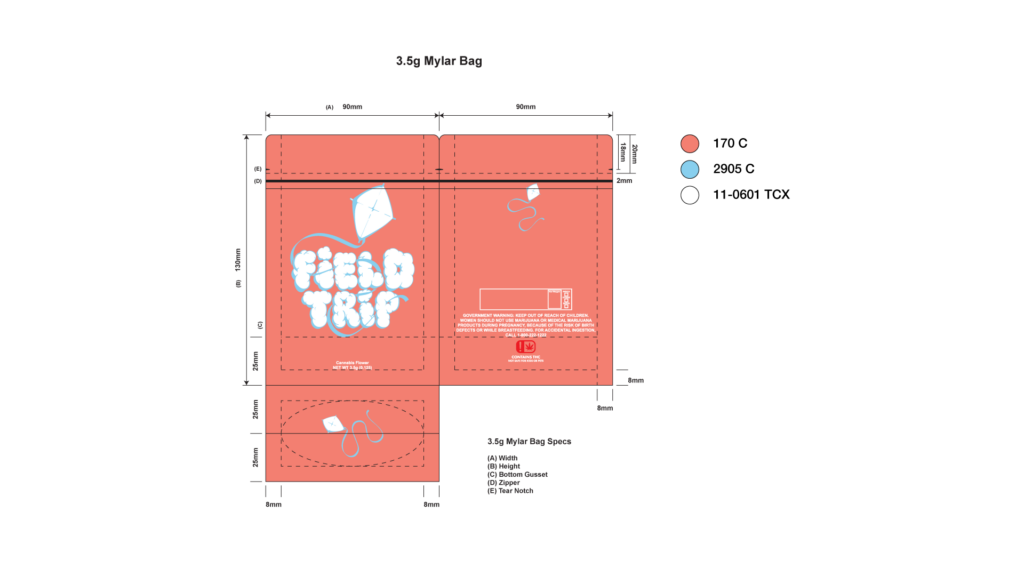
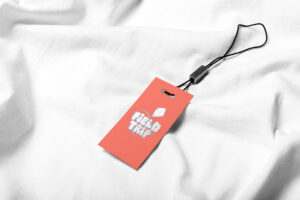
    Field Trip needed to enhance and extend their existing playful brand identity across crucial touchpoints. Key requirements included refining their logo system for versatility, designing compliant and engaging mylar bag packaging for their cannabis products, and developing an apparel line to create additional monetization opportunities. The core challenge was to evolve the brand’s application while staying true to its established lighthearted, cloud-themed aesthetic.

    My Role

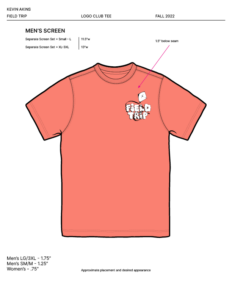
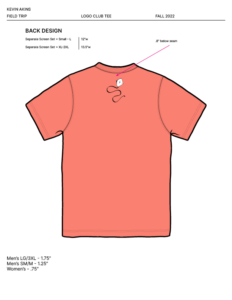
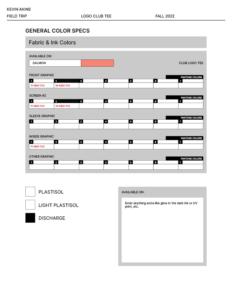
    Collaborating directly with the founder (a previous colleague) in the fall of 2021, I spearheaded the packaging design initiative. My contributions included refining the logo system, designing the mylar bag packaging (including die lines), and conceptualizing and preparing an initial apparel line (including tech packs).

    Strategy & Approach

    The strategy focused on leveraging Field Trip’s established playful identity – characterized by its cloud-style wordmark and kite motif – and extending it cohesively. We aimed for simple, memorable designs that captured a lighthearted, accessible vibe suitable for the Tulsa market. The approach involved extracting key visual elements (clouds, kites, open fields) to build upon and ensuring all new designs were production-friendly for cost-effective manufacturing.

    Design Process

    Logo Refinement

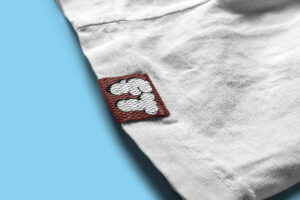
    Analyzed the original large logo lockup (cloud lettering ‘Field Trip’ with a kite). Identified the need for a more compact version for smaller applications. Developed a secondary, short-form “FT” logo mark rendered in the identical cloud style to ensure brand consistency and scalability

    Packaging Design

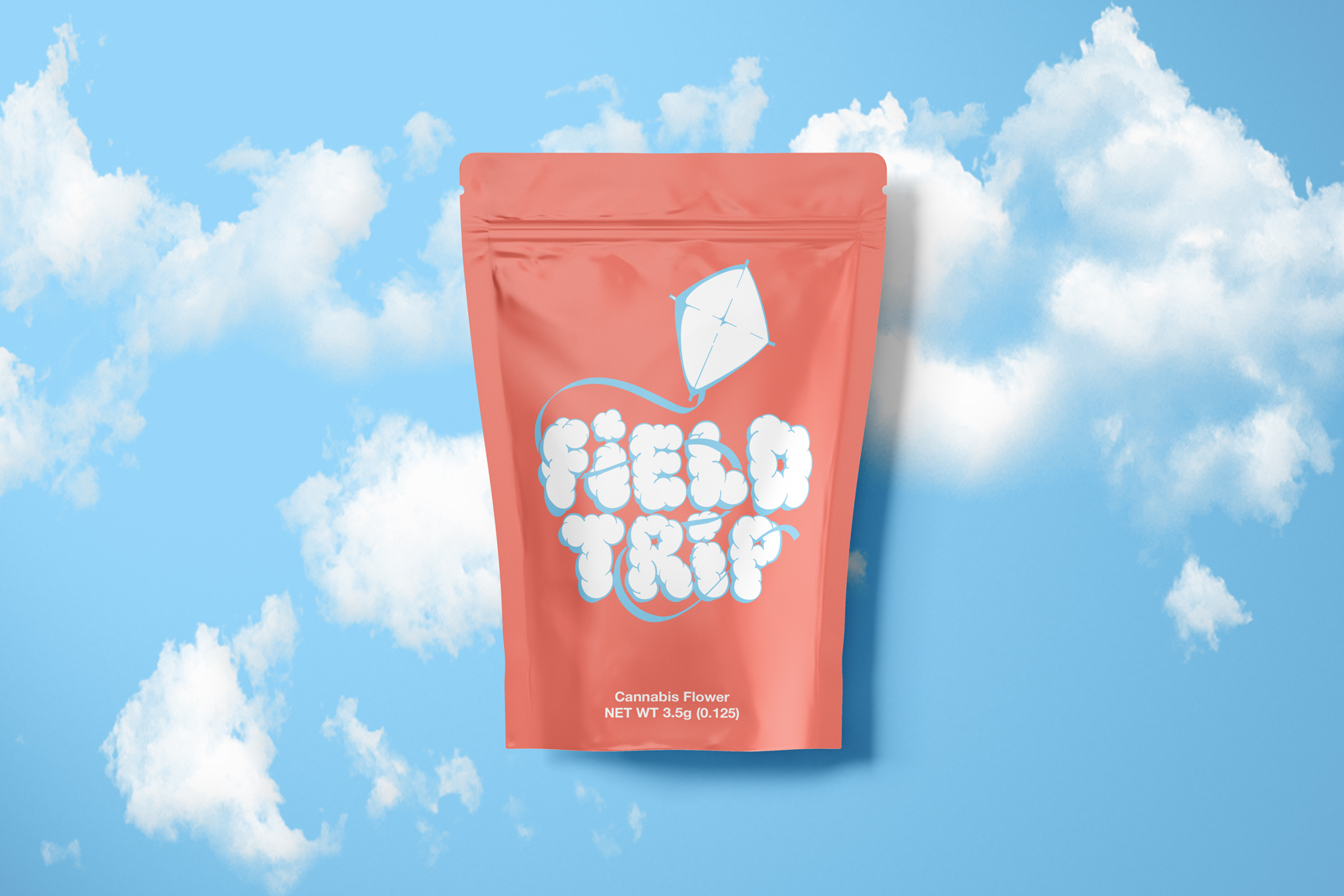
    Explored the playful visual themes (clouds, fields, blue skies). Designed the mylar bag layout prioritizing simplicity and brand recognition, featuring the primary logo lockup prominently. Incorporated compliant ingredient list requirements. Developed precise die lines for production.

    Apparel Concepts & Tech Packs

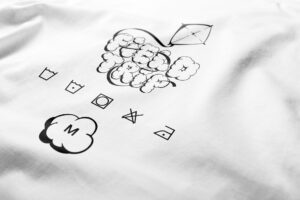
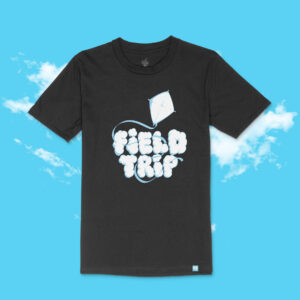
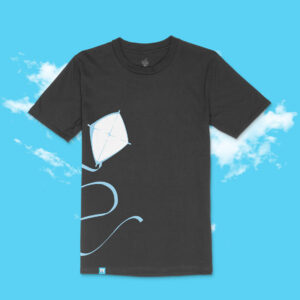
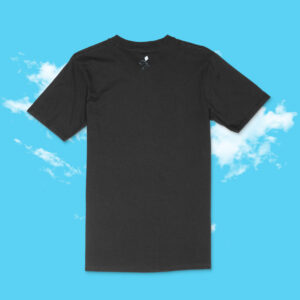
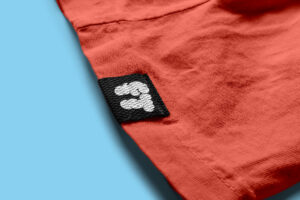
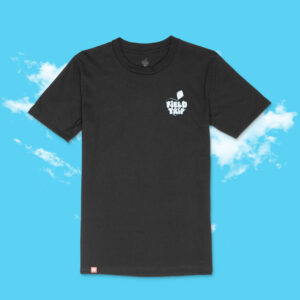
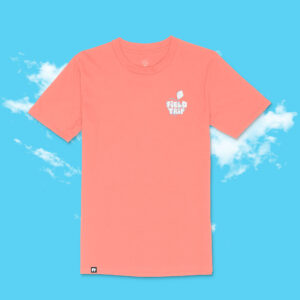
    Conceptualized three distinct graphic tee designs to offer variety: a classic block-logo tee, a trendy pocket-logo design (inspired by Gallery Dept. aesthetics), and a dynamic graphic tee utilizing the kite element down the side. Prepared detailed tech packs to streamline the printing process.

    Swatch Panel

    The Solution

    The project delivered a refined and expanded set of brand assets designed for consistency and appeal:

    • Refined Logo System: Introduced a versatile “FT” cloud-letter secondary mark for flexible use alongside the original logo lockup.
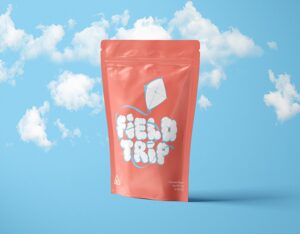
    • Mylar Bag Packaging: A clean, playful design featuring the primary Field Trip logo on a distinctive solid coral background with sky-blue accents, creating an approachable yet memorable product presence. Included compliant layouts and production-ready die lines.
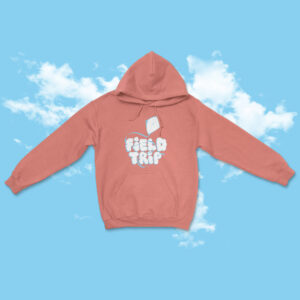
    • Apparel Line: A curated collection of three graphic tee designs offering different styles while consistently reinforcing the Field Trip brand identity. Delivered with detailed tech packs for efficient manufacturing.

    Results & Impact

    The client expressed strong satisfaction (“loved the design work and decisions”) with the enhanced brand elements and new product designs. The provision of detailed die lines and tech packs facilitated smoother, more efficient production processes for both packaging and apparel. Significantly, the success and quality of this project served as a valuable portfolio piece, directly leading to subsequent opportunities and connections with other cannabis clubs seeking brand identity and consumer packaged goods design expertise.

    Mockups

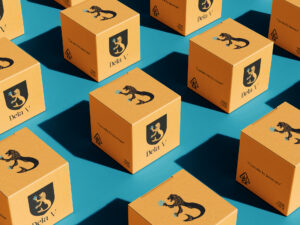
  • Strategic Brand Identity for Dela V Cannabis Club

    Strategic Brand Identity for Dela V Cannabis Club

    Client

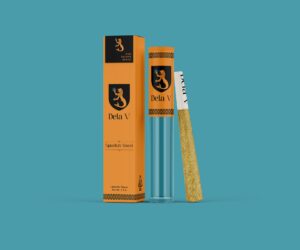
    Dela V is a Los Angeles-based cannabis club with a unique mission: selling high-quality cannabis products while directing profits towards supporting Caribbean foundations, institutions, and specific causes in Jamaica, Trinidad & Tobago, and for people of color in the U.S. Their initial product line includes three distinct strains: “Spanish Town” (indica), “Jamexican” (hybrid), and “Soca Sargeant” (sativa).

    The Challenge

    Dela V required a distinctive brand identity that could effectively communicate multiple key facets: the premium quality of their cannabis, their unique philanthropic mission rooted in Caribbean heritage, and a sense of luxury to stand out in the competitive LA market. The challenge lay in balancing cultural authenticity and heritage with a high-end aesthetic that would appeal to discerning consumers.

    The Role

    As Graphic Designer, I partnered closely with a Brand Strategist to conceptualize and execute Dela V’s visual identity. My responsibilities included initial concept exploration, detailed illustration, final logo design, and establishing the foundational elements of the brand’s visual system.

    Design Process

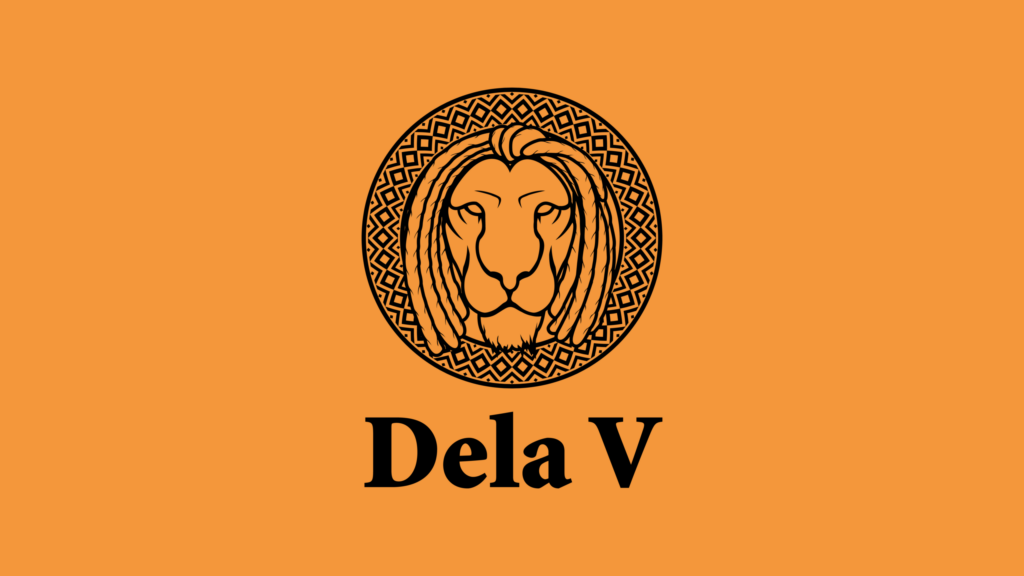
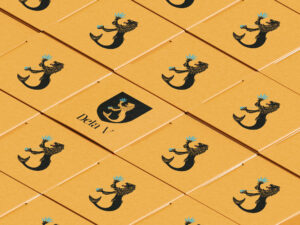
    The initial lion concept, while versatile, was refined to better achieve the target luxury positioning. This led to extensive research into Jamaican and Caribbean symbolism, particularly the Jamaican Coat of Arms and regional folklore. Discovering rich connections between heraldic elements (representing prestige and history) and mythical figures like mermaids sparked the core idea. I pushed creative boundaries to develop a unique chimera concept – half lion, half mermaid – meticulously illustrating the figure first in Procreate and then vectorizing it in Adobe Illustrator for maximum scalability.

    Initial Concept Exploration

    Before focusing on the lion head motif, broader concepts were explored in Procreate on an iPad Pro. These included:

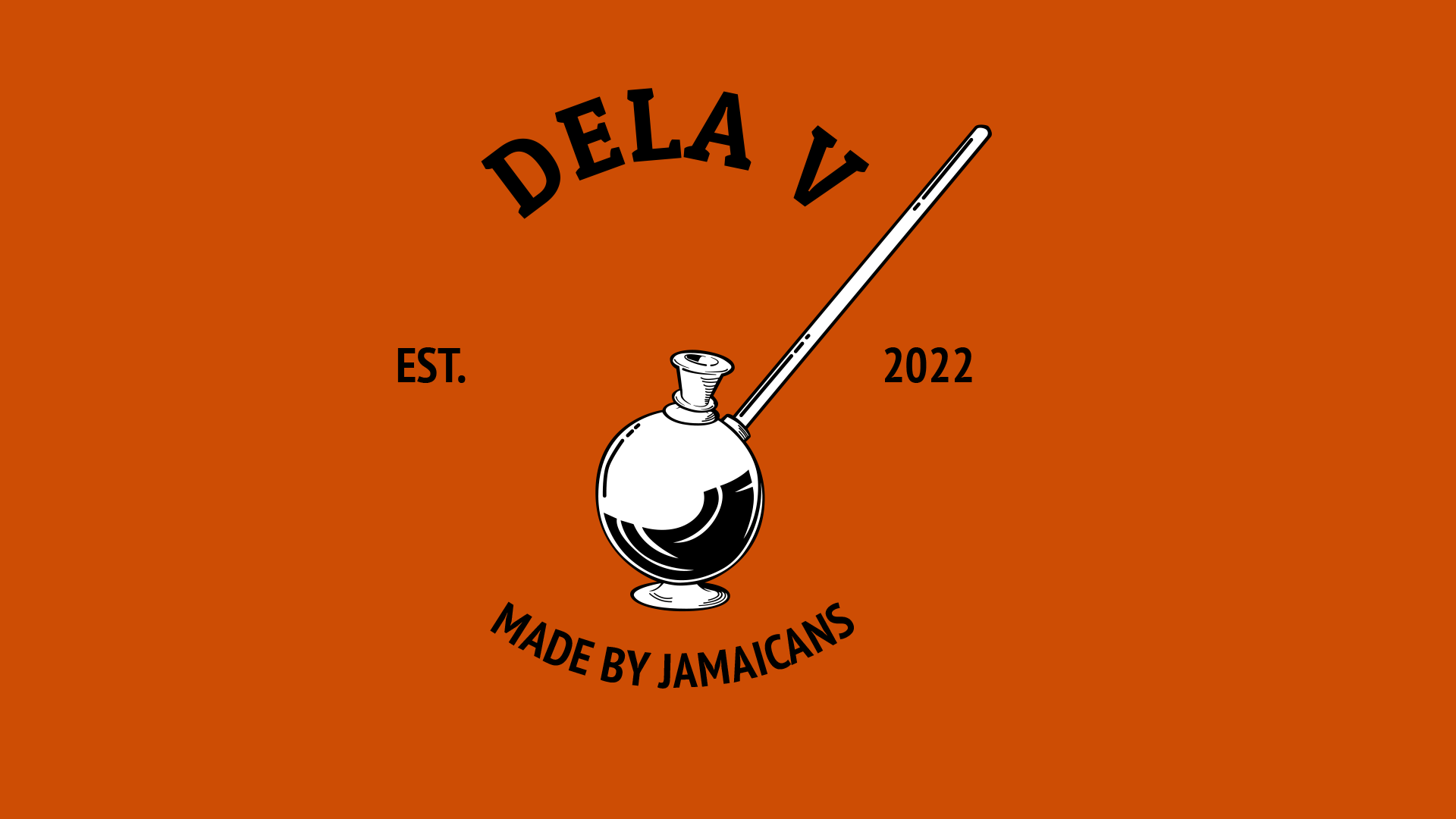
    • An illustration inspired by the Jamaican ‘Wisdom Chalice’ pipe, rendered with an antiquated feel and paired with font called PatuaOne-Regular.
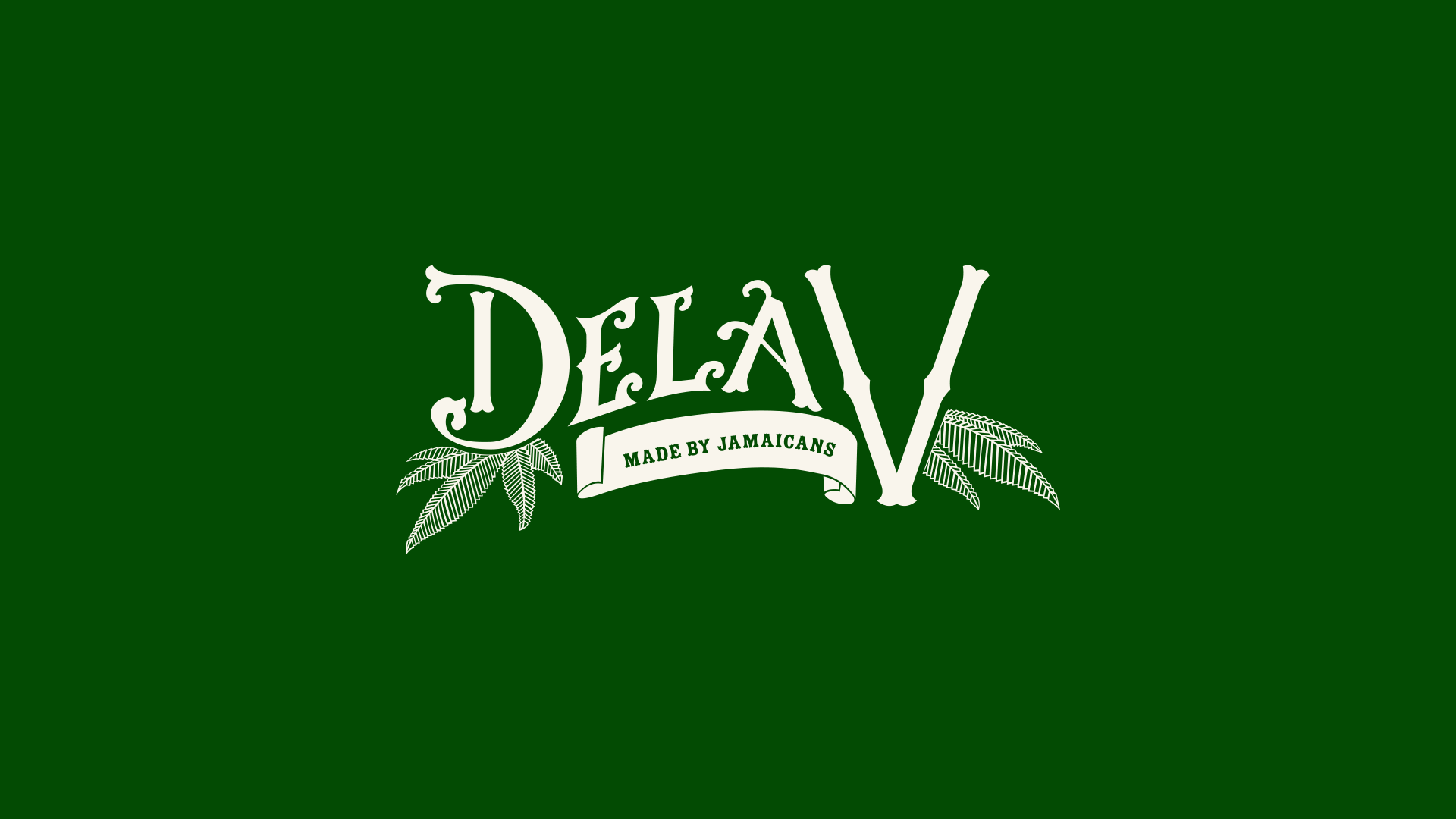
    • A wordmark-focused design for “Dela V,” integrating marijuana leaves at key points and incorporating a ribbon stating “Made by Jamaicans.”

    Packaging

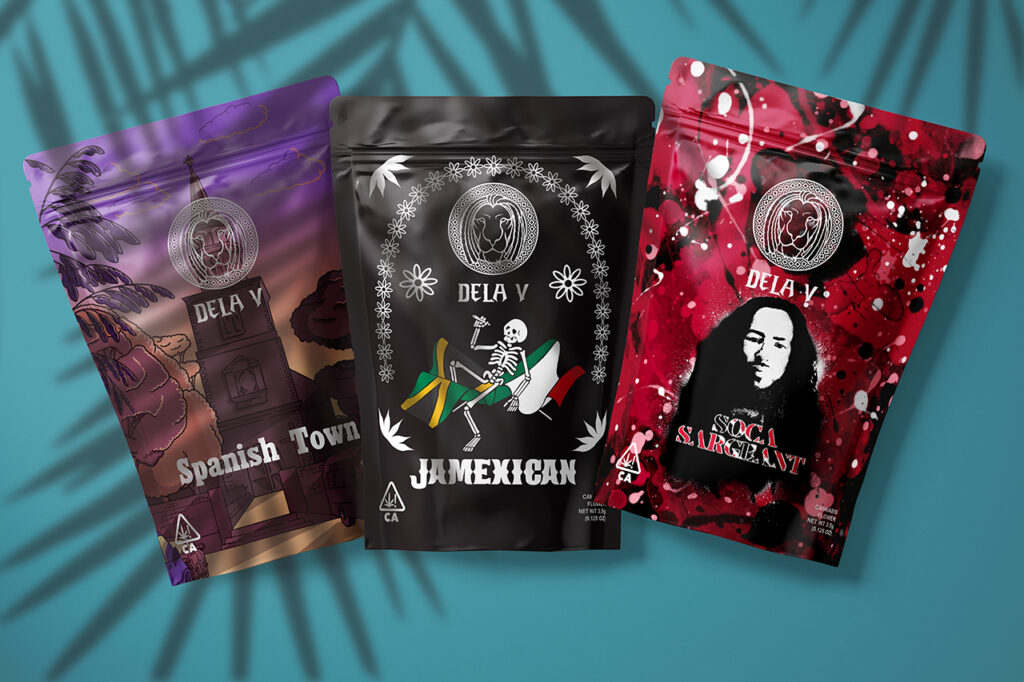
    Following these initial explorations, the direction converged on developing the bold, loc-adorned lion head concept (the ‘standard’ logo), initially inspired by high-fashion (Versace) and Jamaican design elements. Once this lion head logo was refined and finalized, detailed packaging concepts were created for Dela V’s three signature strains, each featuring unique supporting illustrations developed in Procreate:

    • Spanish Town (Indica): A cozy-style illustration referencing the architecture of the Jago de la Vega Cathedral in Spanish Town, Jamaica.
    • Jamexican (Hybrid): A design inspired by traditional Mexican altars (with nods to aesthetics like Bones Coffee Company), featuring a skeleton lounging on Jamaican and Mexican flags, holding a joint.
    • Soca Sargeant (Sativa): An energetic illustration of the performer Soca Sargeant integrated with a paint splatter effect utilizing the colors of the Trinidad and Tobago flag.
    • Each of these mylar bag designs prominently featured the finalized lion head logo.

    Strategic Pivot & Luxury Exploration

    Subsequently, strategic discussions indicated a desire to explore an alternative direction with a more universally luxurious aesthetic to potentially broaden market appeal further, while still honoring heritage. This prompted deeper research into Jamaican and Caribbean symbolism, particularly the Jamaican Coat of Arms and regional folklore.

    Chimera Concept Development

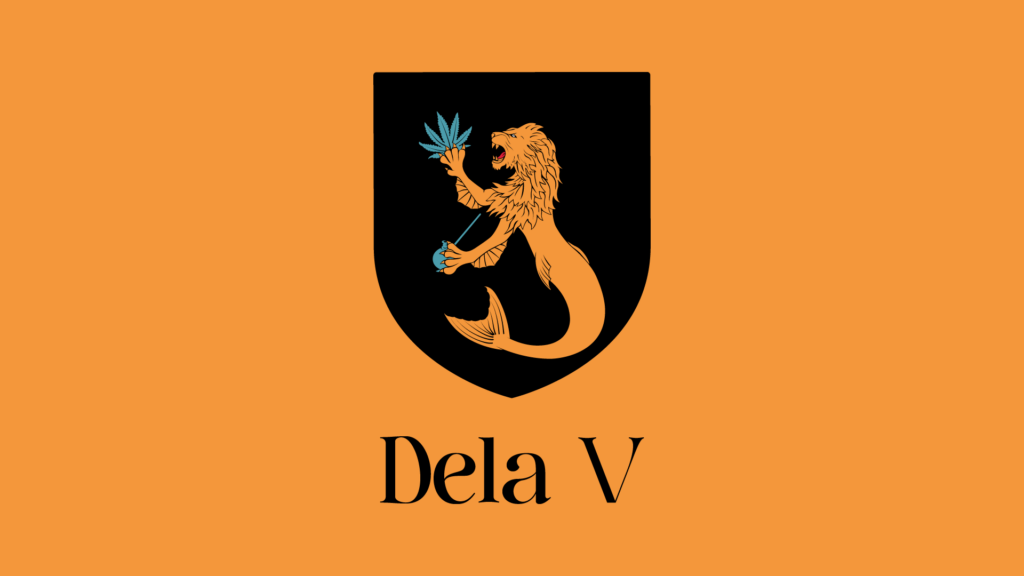
    Discovering rich connections between heraldic elements (representing prestige and history) and mythical figures like mermaids sparked the core idea for this alternative luxury direction. I pushed creative boundaries to develop a unique chimera concept – half lion, half mermaid – meticulously illustrating the figure in Procreate and vectorizing it in Adobe Illustrator for maximum scalability, intended as a potential evolution or premium tier for the brand identity.

    Swatch Panel

    The Solution

    Two distinct visual identity directions were developed:

    Standard Identity

    Centered around the bold, loc-adorned lion head logo, applied across detailed, culturally relevant packaging illustrations for each strain.

    Luxury Identity Concept

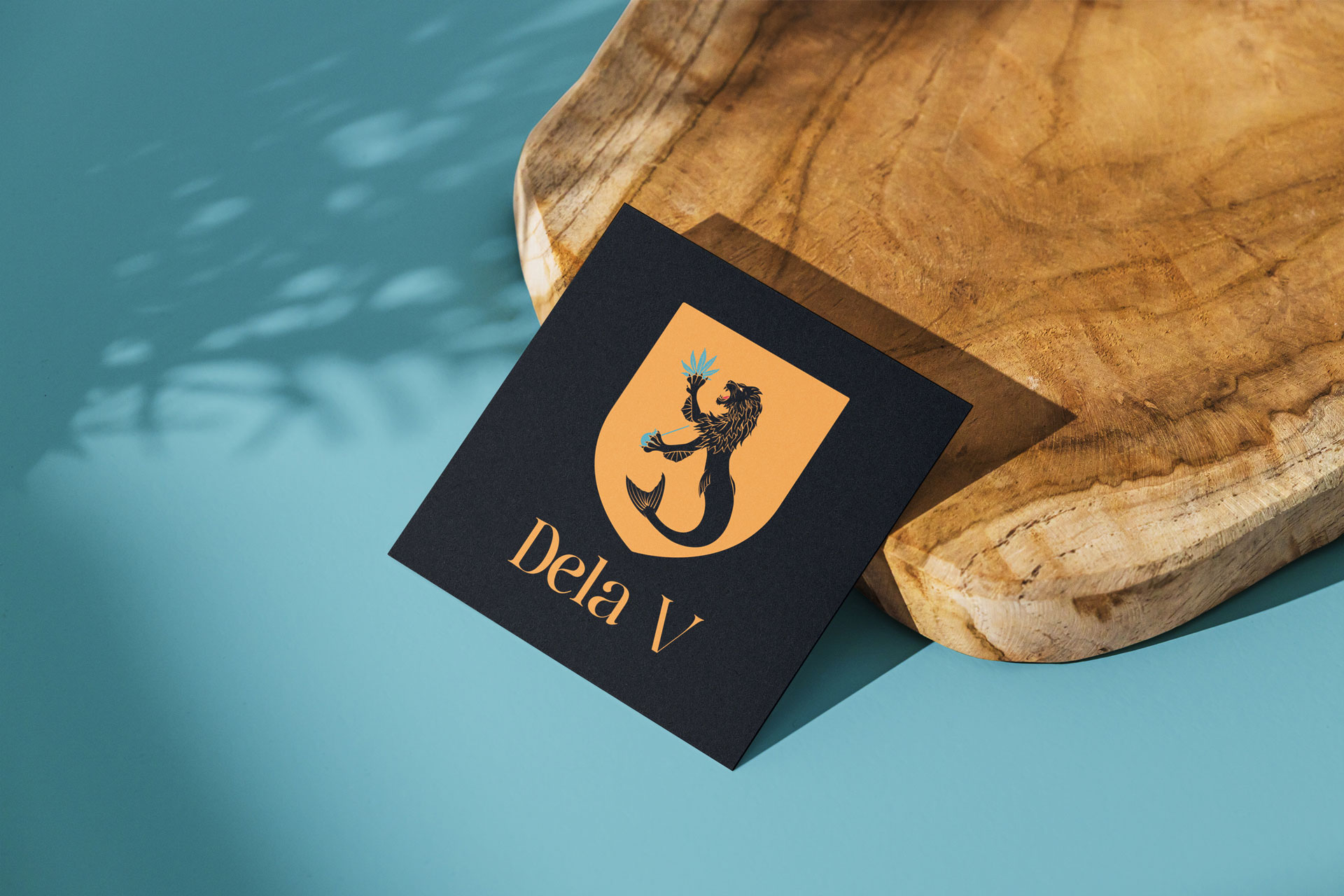
    Focused on an illustrated chimera integrated with a heraldic crest and paired with a refined typeface, designed to evoke a higher-end, mystical feel. This concept was developed as a potential alternative or evolution for the brand.

    Results & Impact

    Although the project’s final implementation path may have shifted after the design phase, the client continues to leverage elements of the work created. The original ‘standard’ logo concept developed during our exploration sees ongoing use on Dela V’s social media platforms. Furthermore, the broader set of logo assets created throughout the project have been utilized by the owner across other business ventures and use cases, showcasing their perceived value and versatility. We have maintained a positive connection since the conclusion of the design phase.

    Mockups

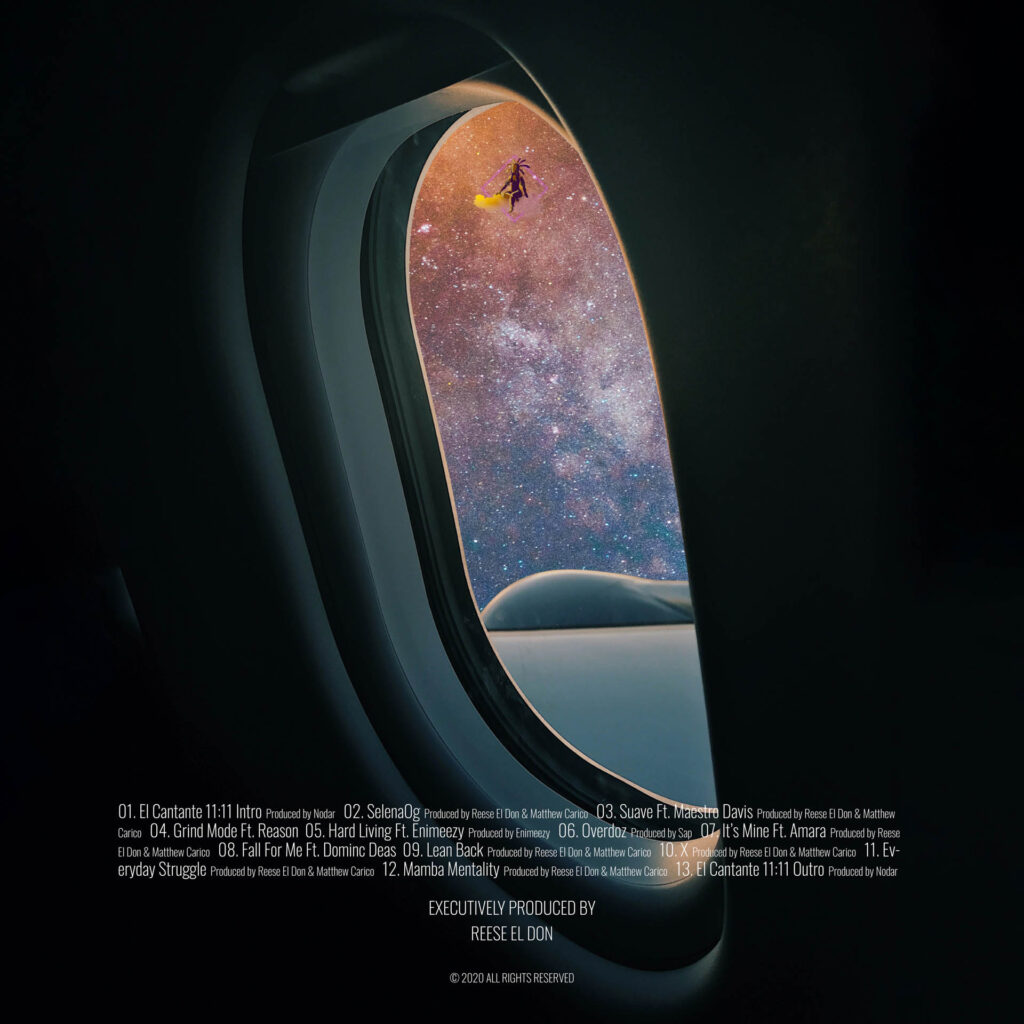
  • El Cantante: Conceptual Album Artwork

    El Cantante: Conceptual Album Artwork

    The Client

    Reese El Don (longtime client and friend)

    The Challenge

    To develop unique and conceptually rich cover artwork for Reese El Don’s album “El Cantante.” The project journey began in mid-2018 without a defined initial creative direction, requiring collaborative exploration to establish a compelling visual theme that captured the essence of the music.

    My Role

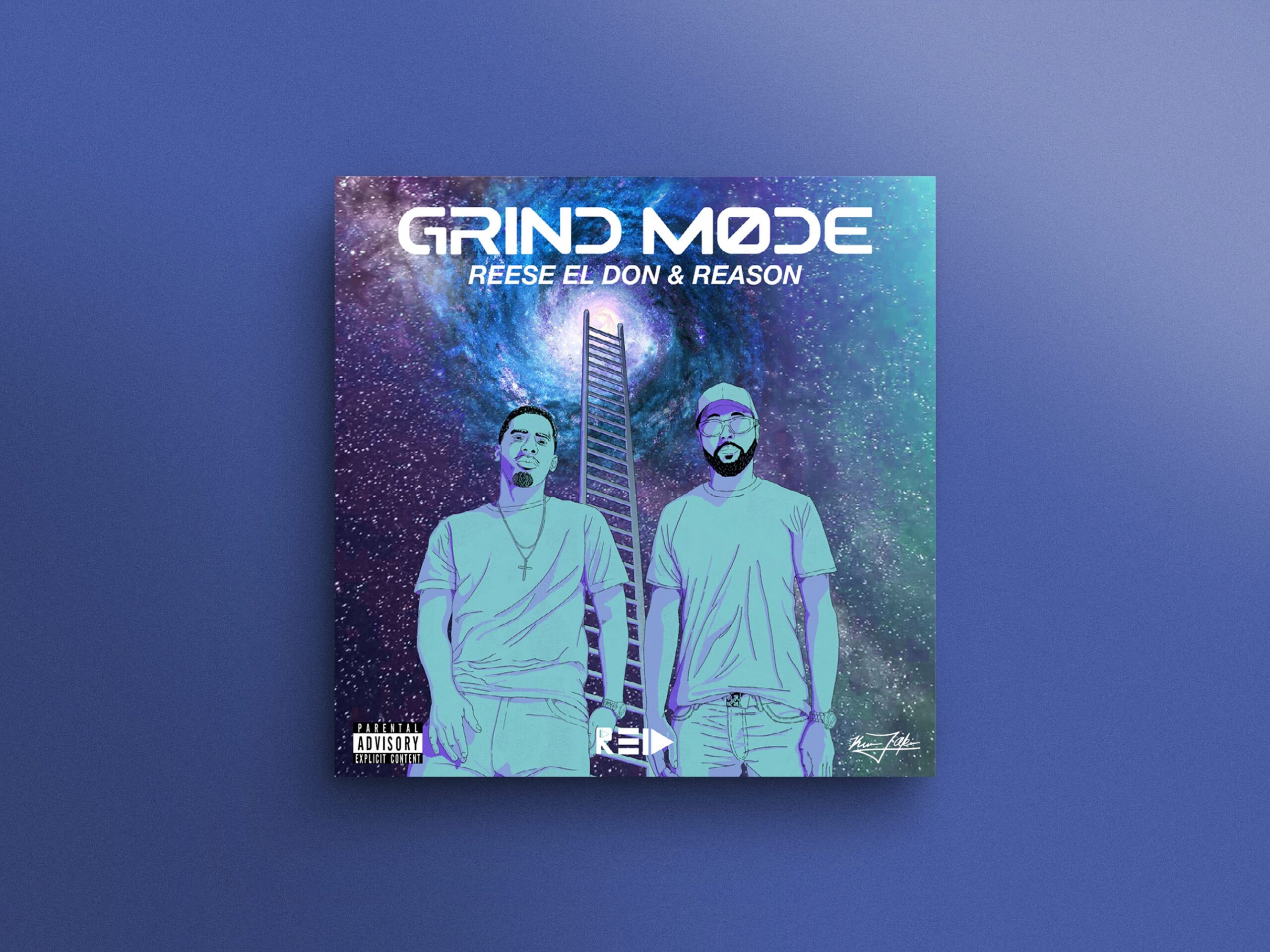
    As the designer and close creative collaborator, I worked extensively with Reese El Don over several months (particularly gaining momentum in 2020) to brainstorm and build the entire storyline and visual universe surrounding the album. My role involved translating these complex narrative ideas, inspired directly by the music and themes, into the final album cover artwork using digital illustration techniques. (Note: I also created artwork for related singles like “Grind Mode” ft. Reason during this period).

    Concept Development/The Spark

    After initial explorations, the definitive creative direction emerged following the release of Reese El Don’s single and music video “Selena Og” in February 2020. This track became the catalyst for building a rich narrative universe to frame the album experience visually and thematically.

    The Narrative & Vision

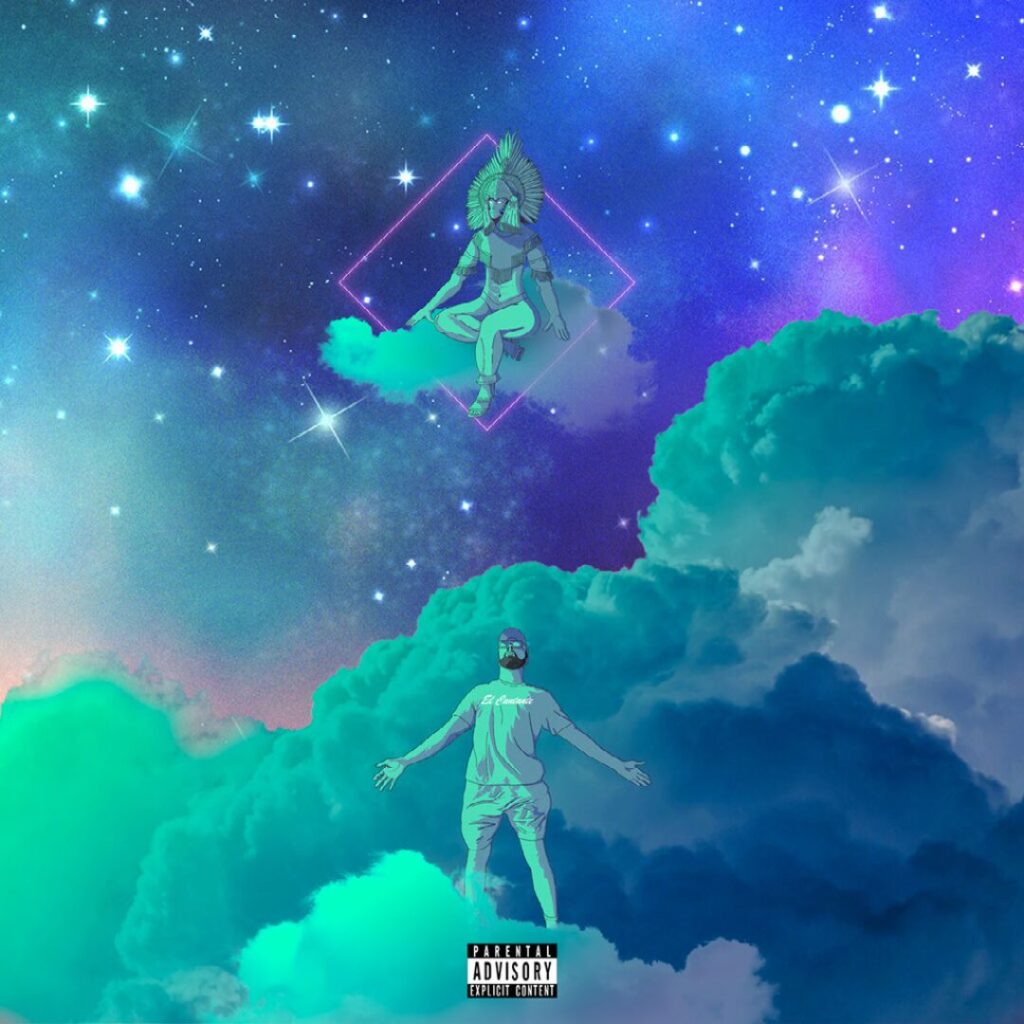
    We collaboratively developed a core narrative: the listener embarks on a metaphorical flight where “Selena Og” cannabis is served. As this journey progresses through the album’s songs, the listener experiences a culminating vision – a native woman materializing within the clouds, who then ascends into space as the flight reaches its apex. This narrative formed the conceptual foundation for the cover artwork, intended to visually represent the peak of this metaphorical, psychoactive journey influenced by the “SelenaOG” experience, even though the album title “El Cantante” and broader themes also incorporate Reese El Don’s Afro-Latino roots and hip-hop influences.

    Design Execution

    Album Cover

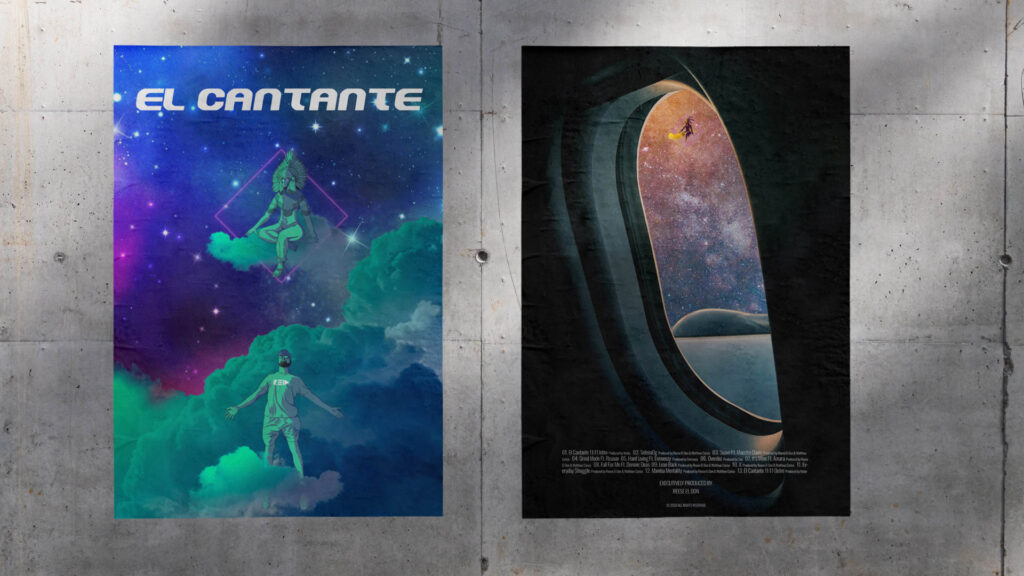
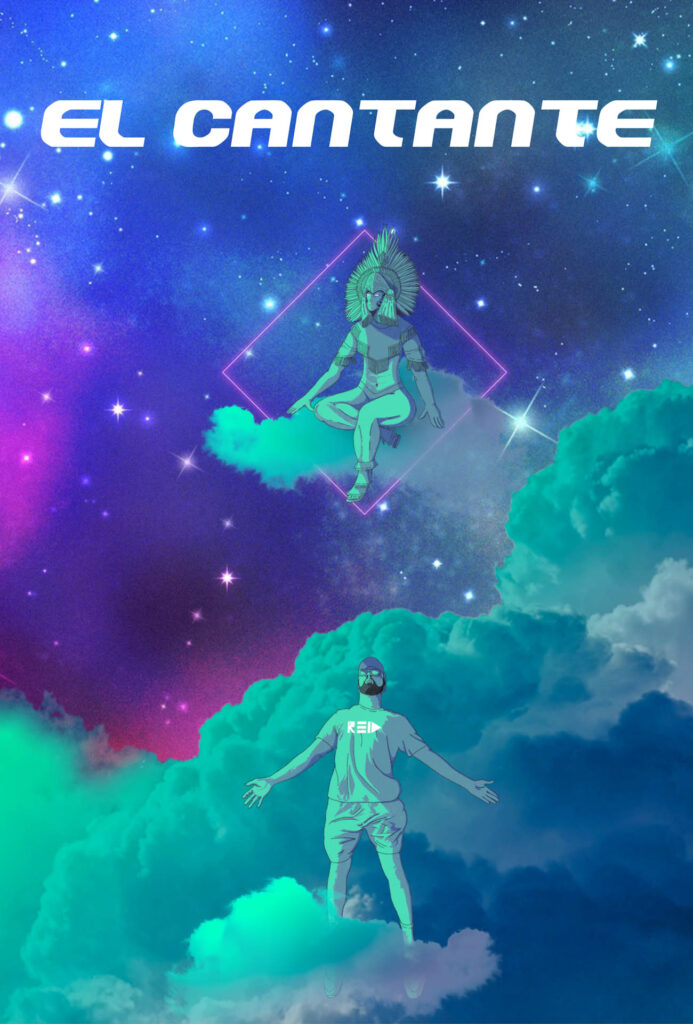
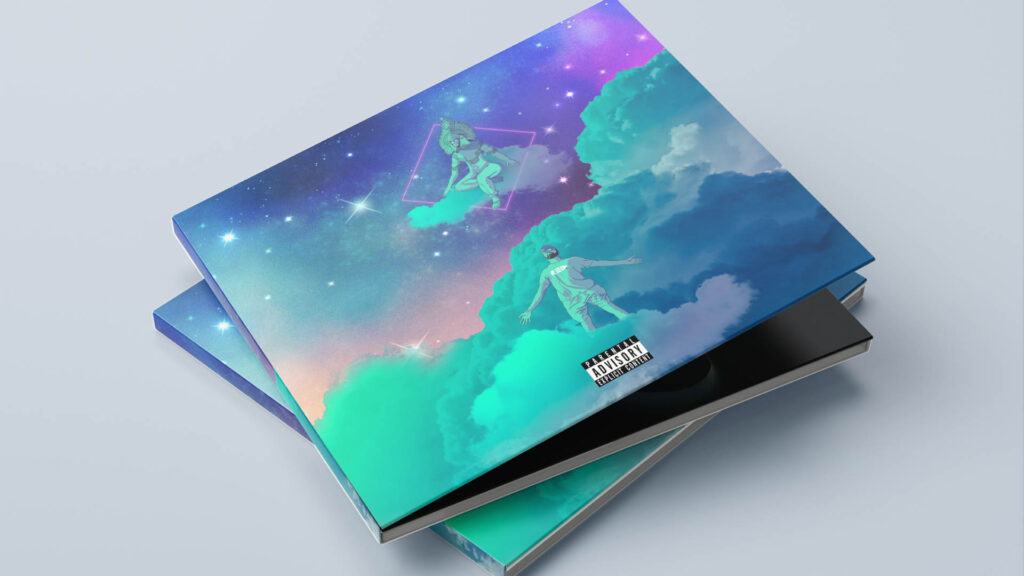
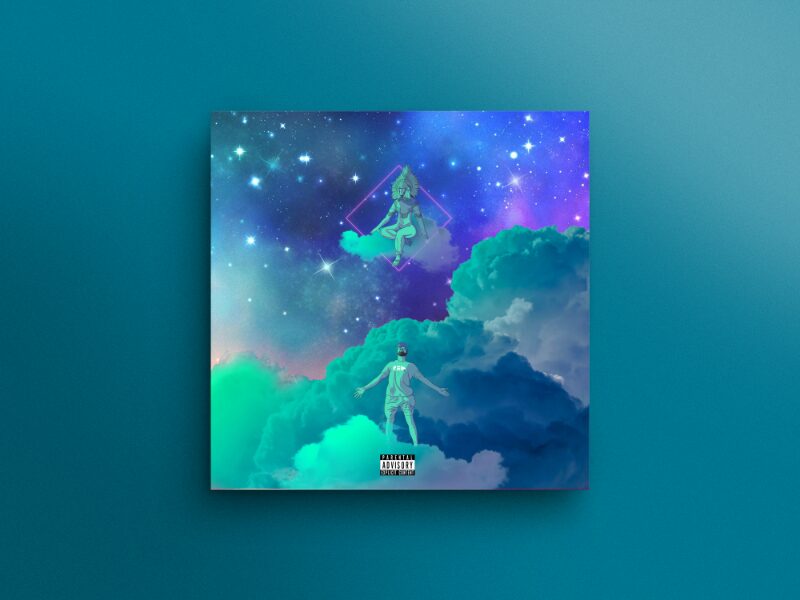
    Translating this narrative visually for the main album cover involved creating a starry, atmospheric space scene entirely within Procreate on an iPad Pro. Using real photographs of Reese El Don and Indigenous peoples as references, I illustrated the key elements: Reese El Don as an ascending silhouette and the Indigenous woman seated cross-legged upon a cloud, embodying a celestial vision. Special effect plugins were utilized within Procreate to generate convincing cloud and starry atmosphere textures. The overall style aimed for a surreal, reference-based digital illustration, employing a cool color palette dominated by greens, turquoise, purples, and blues to enhance the celestial, visionary mood.

    Extending the Visual Universe: “Grind Mode” Single Artwork

    “Grind Mode” Single Artwork: To maintain consistency within the established artistic world of El Cantante, I created the cover art for the single “Grind Mode,” featuring Reason (formerly of TDE, known for associations with Kendrick Lamar, SZA, etc., and a previous collaborator with Reese). This artwork employed the same illustrative style and Procreate techniques used for the main album cover, featuring starry backgrounds and cool blue hues to evoke a cohesive moonlight effect. The illustration depicts Reese El Don and Reason standing together, with the biblical Jacob’s Ladder extending into the background towards space, visually interpreting themes relevant to the track.

    The Final Artwork

    The final cover art visualizes the metaphorical effects of the ‘SelenaOG’ strain as described in the album’s narrative journey. It features the ascending silhouette of the artist against a cosmic, starry backdrop, reaching towards the serene, cloud-borne Indigenous woman who represents a key vision within the album’s universe, rendered digitally in Procreate with atmospheric effects and a cool color palette. Notably, the final cover artwork itself is purely visual, without integrated typography. However, for related marketing materials and posters, bold title treatments using the Roboto typeface were developed separately to maintain consistency.
    Results & Impact

    This project further solidified a long-standing creative partnership spanning over 15 years with Reese El Don, extending even into unrelated business ventures. The successful release and rollout of ‘El Cantante,’ featuring the artwork and marketing collaterals I created, served as a crucial launchpad for Reese’s next major endeavor, ‘TeslaRap’ – a project merging rap music and Tesla technology, which we have been collaborating on since 2021.

    Mockups

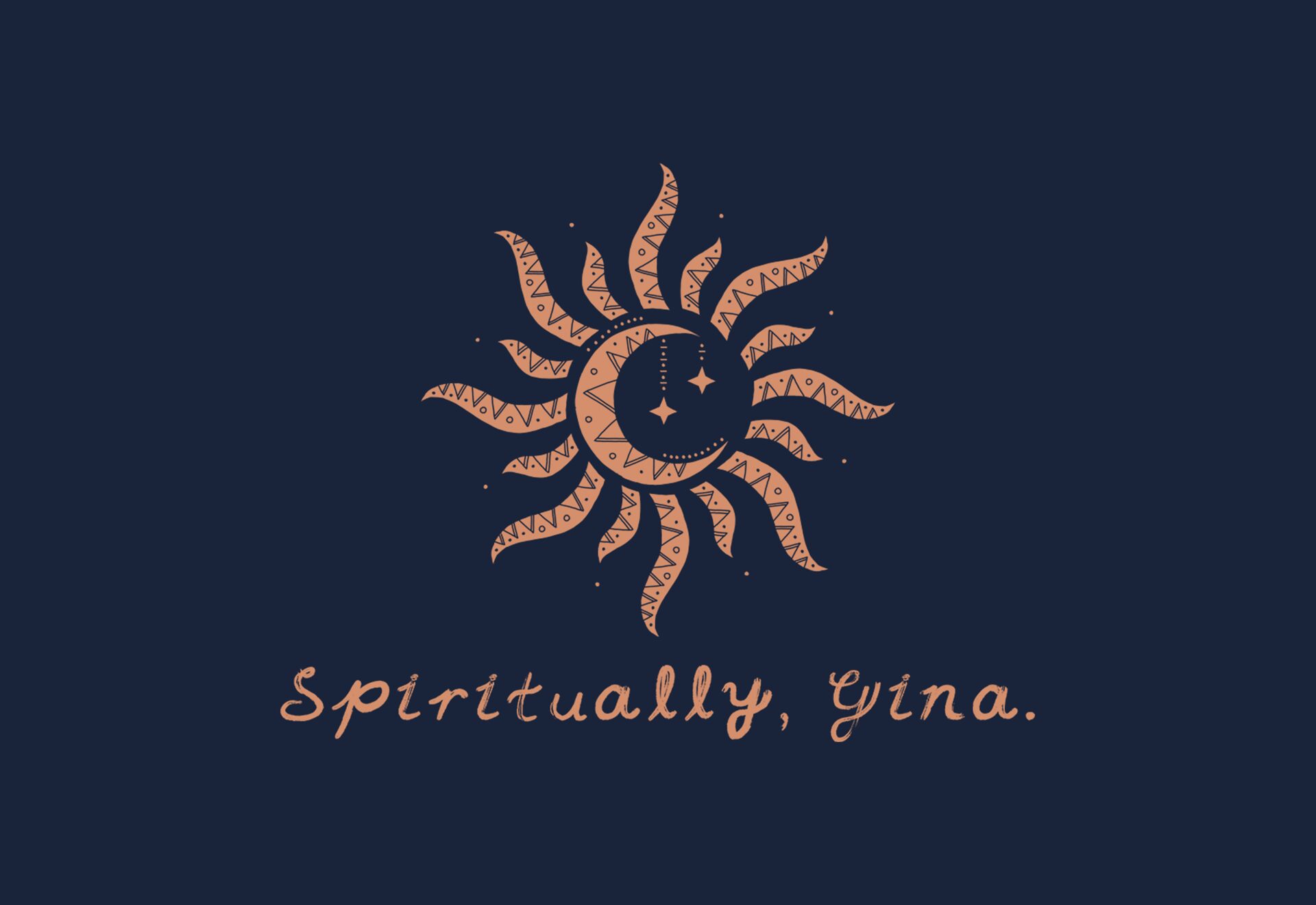
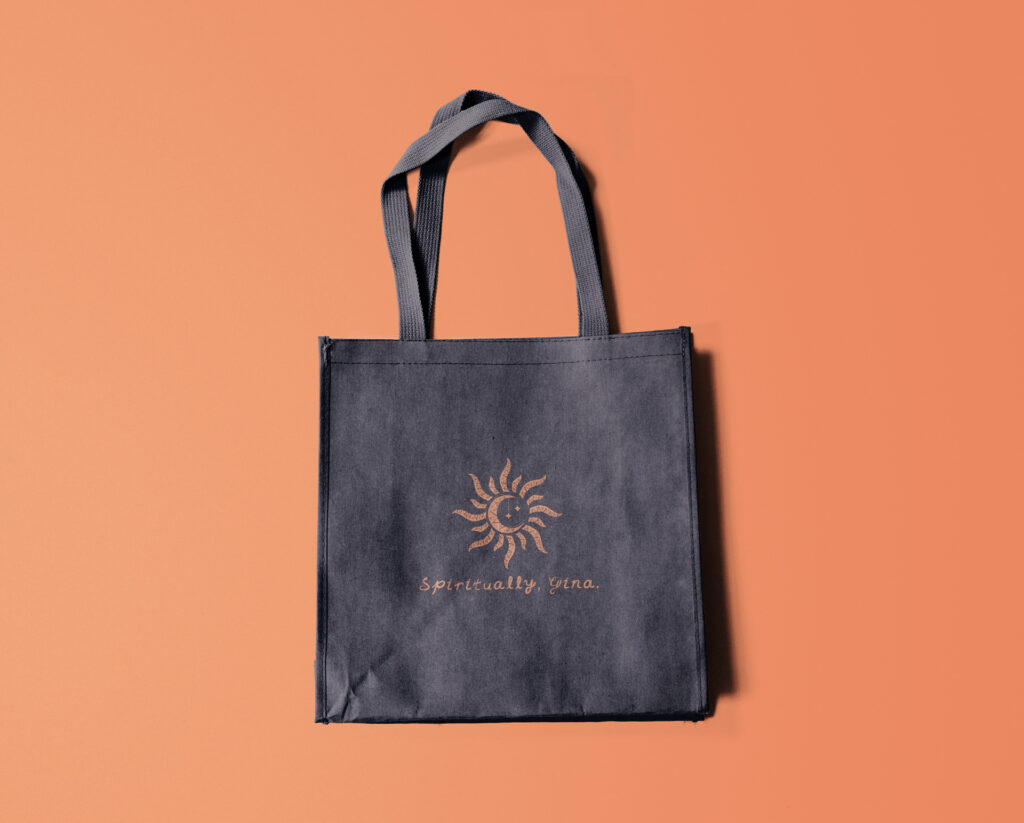
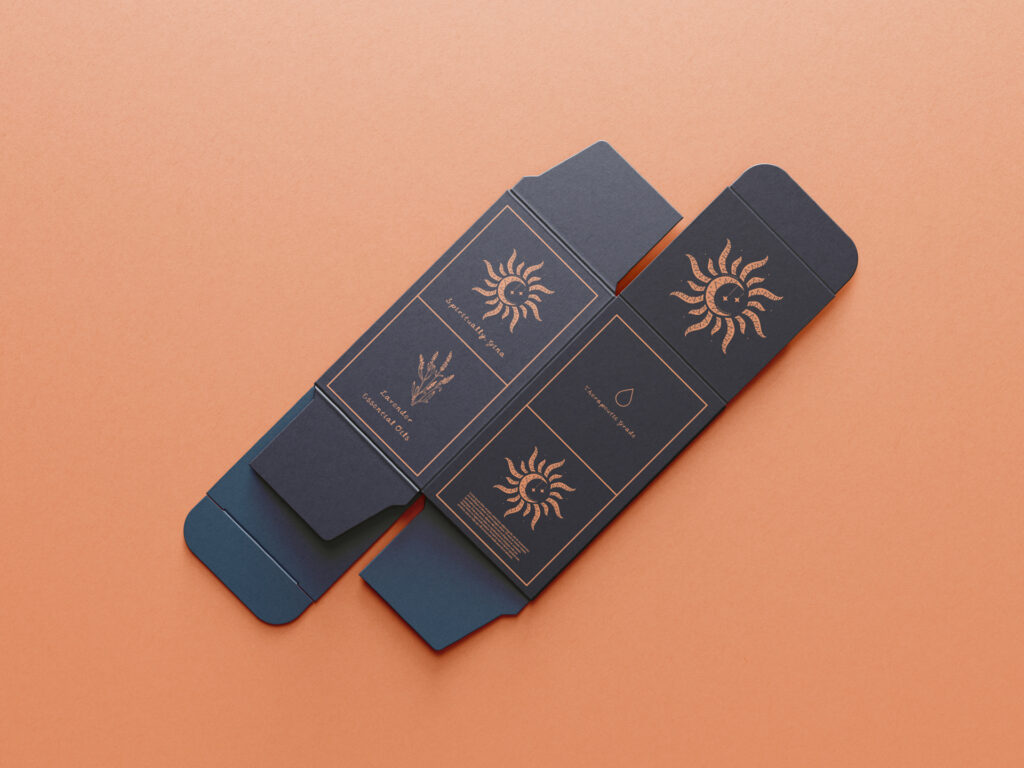
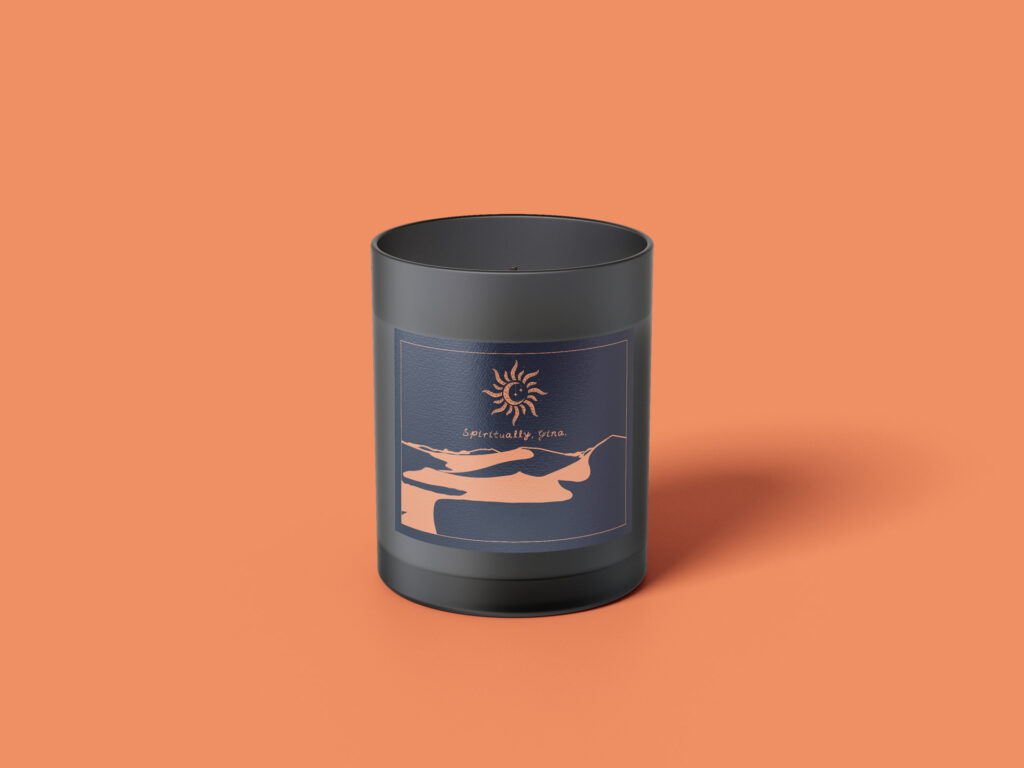
  • Spiritually, Gina: Custom Brand Identity & Font Design

    Spiritually, Gina: Custom Brand Identity & Font Design

    The Client

    Spiritually, Gina is a practitioner based in North Carolina, offering services such as tarot/oracle readings and chakra healings.

    Collaboration Context

    This project involved collaboration with GigiOnBrand, a Los Angeles-based brand strategy agency. While the agency may have guided the overall brand strategy, I served as the Graphic Designer responsible for creating the complete visual identity system.

    The Challenge

    Spiritually, Gina’s existing visual identity utilized three separate icons (sun, moon, star), lacking a single, versatile primary mark for effective brand application. The primary challenges were to consolidate these elements into one cohesive logomark and to develop a complete visual identity – including a unique custom typeface and color palette – that authentically reflected the brand’s organic, non-traditional, and spiritual essence.
    My Role

    As the Graphic Designer, I created the full visual brand identity system for Spiritually, Gina. My responsibilities included redesigning the logomark, defining the color palette, designing the custom ‘Jelly Pen Type’ script font, and preparing all creative assets using Procreate (for font creation), Adobe Illustrator, and Photoshop.
    Strategy & Approach

    Guided by the client’s spiritual focus and the desire for a more cohesive and organic identity (likely informed by GigiOnBrand’s strategic direction), the visual approach centered on unifying the core brand symbols and developing a unique, handcrafted typographic voice. The strategy was to create visuals that felt personal, mystical, and intentionally distinct from conventional aesthetics, ensuring all elements (logo, font, color) worked together harmoniously.

    Design Process

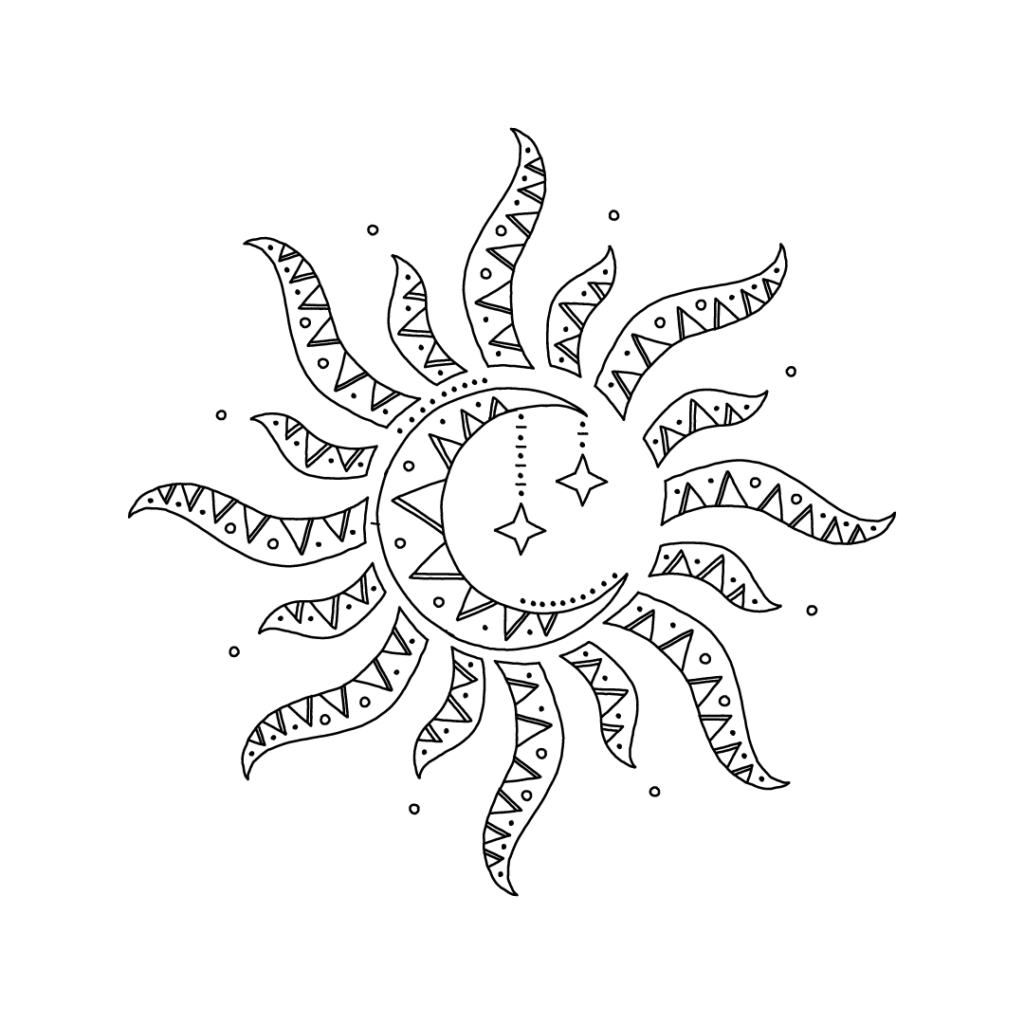
    Analyzed the previous three separate icons (sun, moon, star). Explored various methods to integrate these celestial elements into a single, balanced, and meaningful symbol. Refined the chosen combined concept for clarity and scalability using Adobe Illustrator and Photoshop.

    Custom Font Creation (Jelly Pen Type)

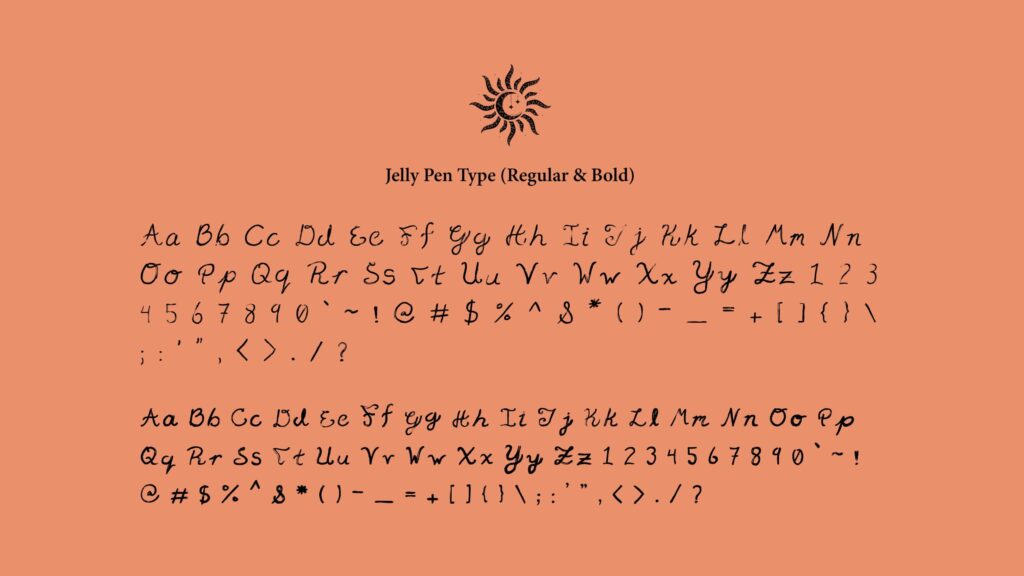
    Embraced the client’s request for an “unorthodox” typeface. Focused on developing letterforms with an organic, fluid quality using Procreate, intentionally deviating from standard typographic structure to achieve the unique, handwritten aesthetic desired. Prepared the font for practical use.

    Swatch Panel

    The Solution

    Delivered a unique and cohesive visual identity system tailored to the brand’s spiritual nature:

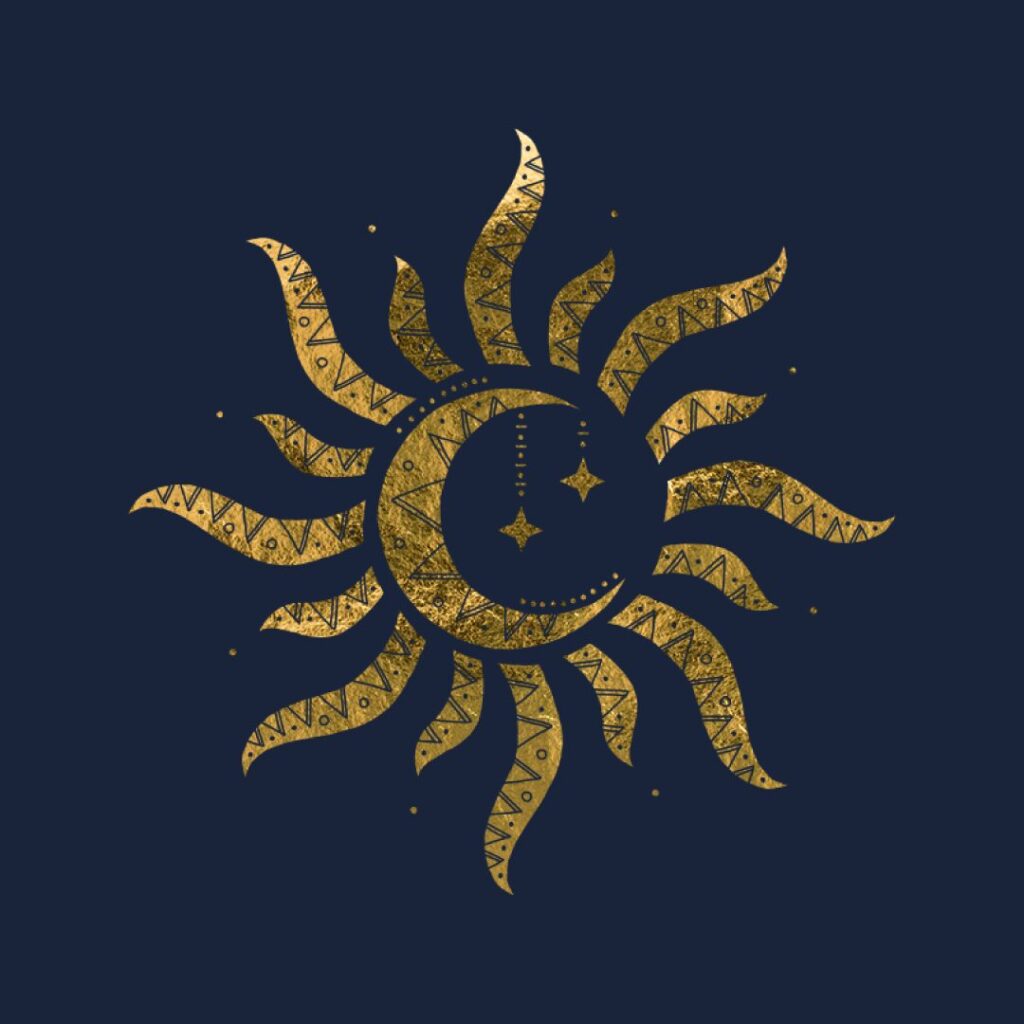
    • Unified Logomark: A redesigned symbol effectively merging the sun, moon, and star elements into one cohesive mark, providing a stronger, more versatile primary visual identifier.
    • Custom Typeface (‘Jelly Pen Type’): A unique script font crafted specifically for the brand using Procreate, featuring organic, unconventional letterforms. This typeface delivers a distinctive, personal feel and was designed for use within the logo itself and across heading titles.
    • Color Palette: A distinct palette was established, grounding the identity in deep navy blue while introducing warmth and subtle energy through lighter, muted tones of salmon and burnt orange. This combination aimed to evoke a balance of intuition, warmth, and groundedness.
    • Integrated System: All elements – the unified logomark, the custom script font, and the defined color palette – were designed to work together seamlessly, creating a consistent and unique brand expression across various mediums.

    Results & Impact

    • The redesigned visual identity was successfully implemented, providing Spiritually, Gina with versatile and cohesive assets for consistent use across all brand touchpoints, directly addressing the initial challenge.
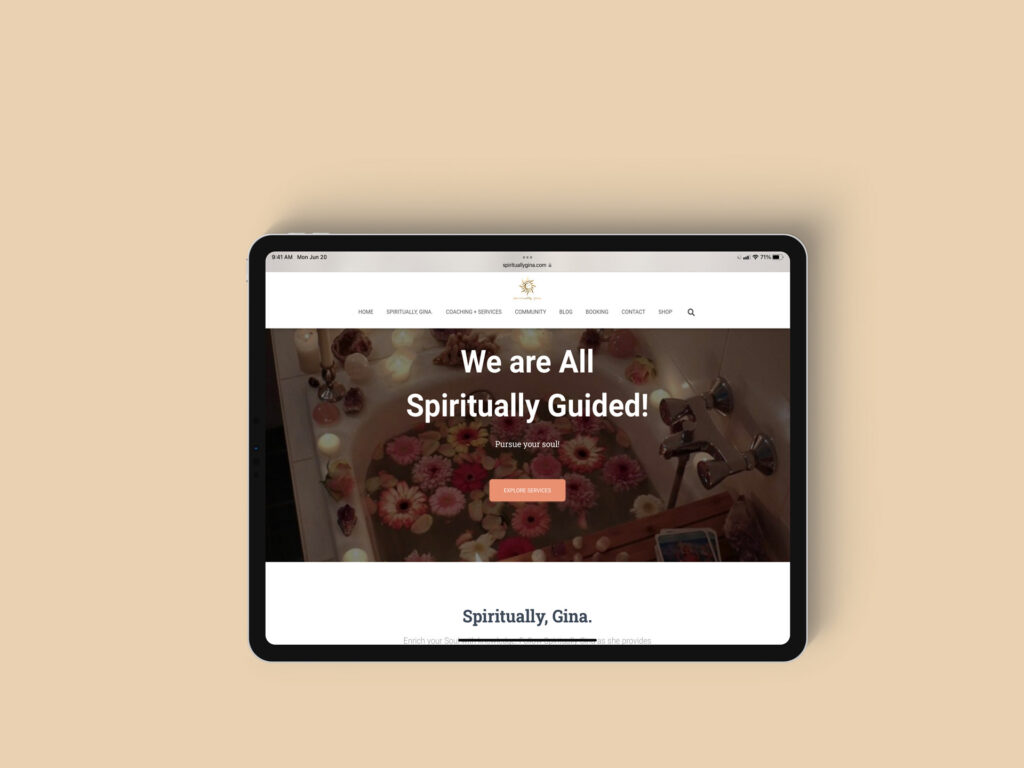
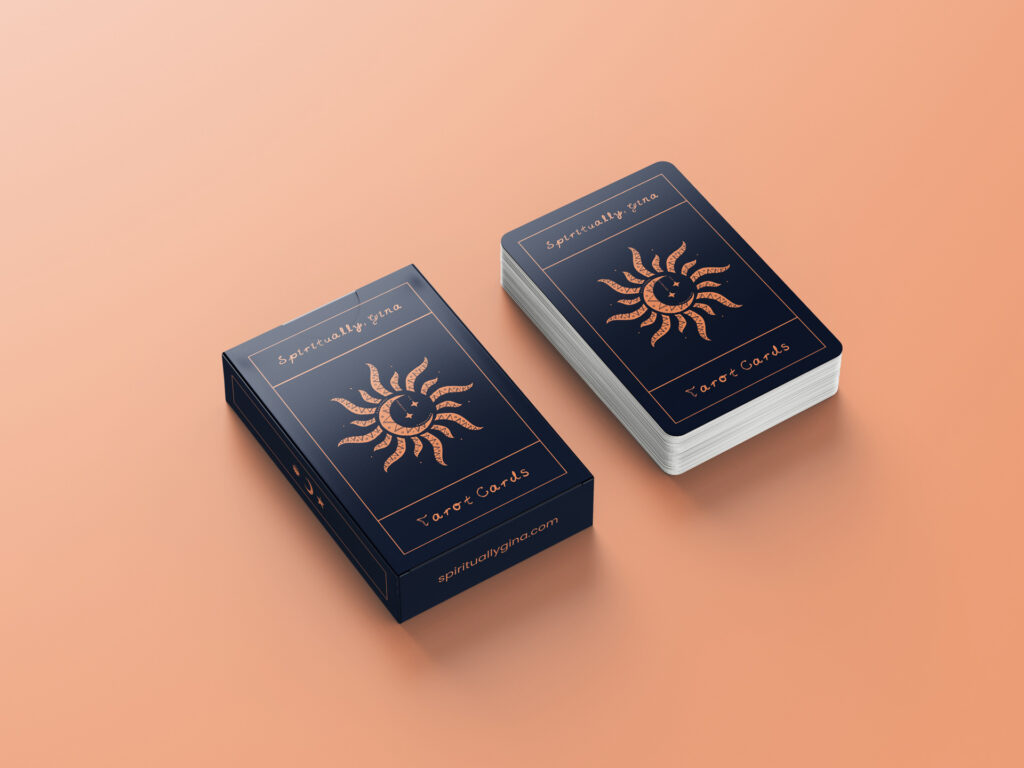
    • The robust identity system created (logo, font, palette) later facilitated the seamless development of derivative brand materials, including custom tarot cards and serving as the foundation for a new website designed by another creative.
    • The positive outcome and successful collaboration on this project directly led to further freelance opportunities for me with the GigiOnBrand agency on subsequent client projects, such as the Dela V Cannabis brand identity.

    Mockups

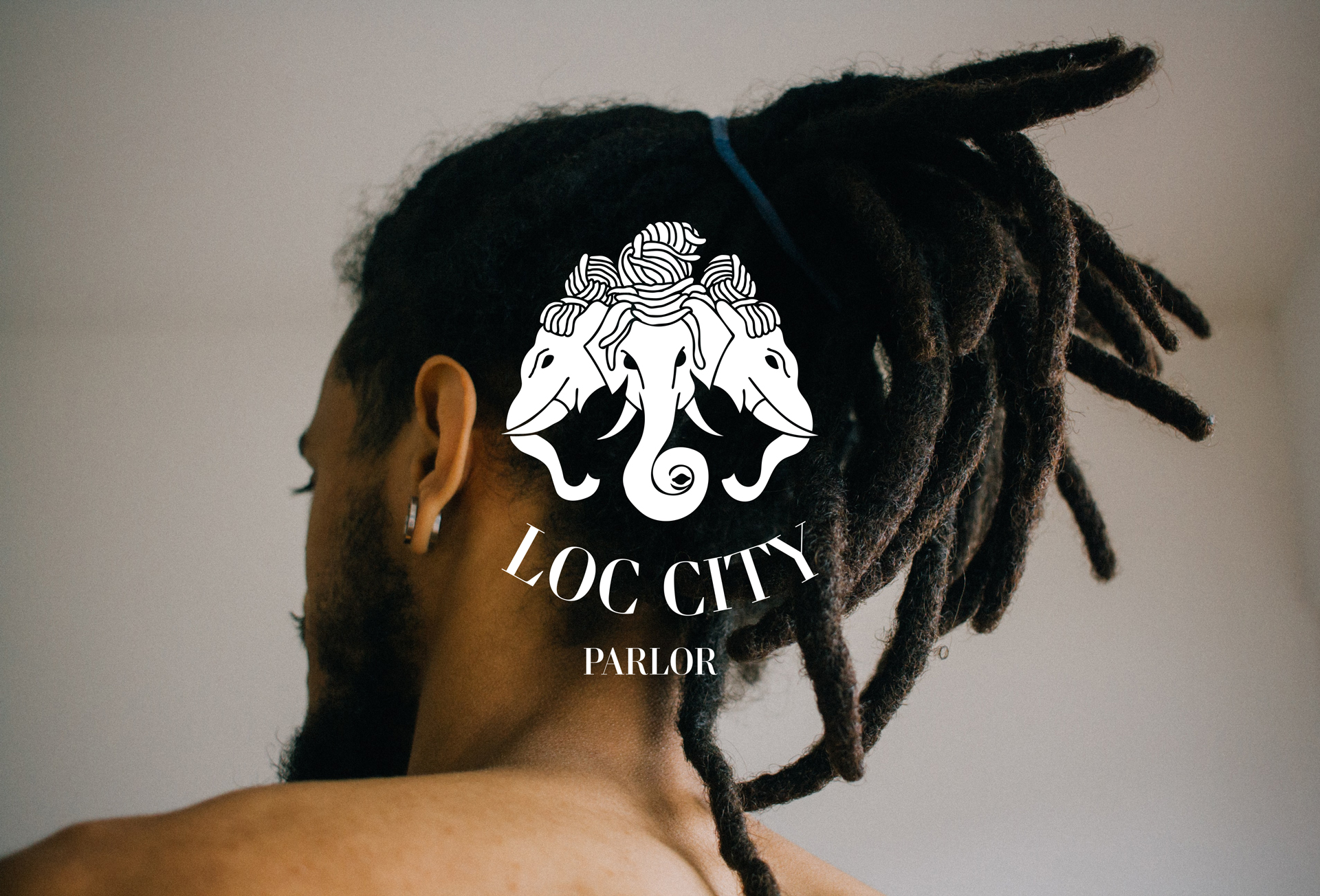
  • Loc City: Brand Identity Celebrating Culture Fusion

    Loc City: Brand Identity Celebrating Culture Fusion

    The Client

    Loc City Parlor is a renowned hair salon with legendary status across Northern California (Sacramento to the Bay Area), specializing in exceptional locs and twists. Founded and owned by loctician Phet Phomthisane, the brand is distinguished by its unique identity that seamlessly blends Lao and African cultural elements and fosters a welcoming, diverse community.

    The Challenge

    Loc City Parlor needed a formal visual identity, primarily a logomark, that could authentically capture and communicate its unique essence. The key challenge was to create a symbol that visually represented the fusion of Lao and African cultures, honored the heritage and artistry of locs (while helping dismantle stereotypes), and resonated deeply with the salon’s established community and potential clients embarking on their loc journey.

    My Role

    Collaborating closely with owner Phet Phomthisane beginning in 2020 (marking my return to design after a two-year hiatus), I served as the designer responsible for concept exploration, cultural research, and the design and refinement of the final iconic logomark and typographic choice.

    Strategy & Approach

    The initial strategic direction, driven by the owner’s vision, explored adapting a luxury fashion aesthetic (Versace) using Lao cultural symbols (elephant) and custom patterns. However, as the project evolved, the core strategy shifted towards prioritizing authentic cultural representation and deeper symbolic meaning over borrowed luxury motifs. A crucial part of the approach involved dedicated research into both Lao history/symbolism and the specific cultural significance and history of locs (understanding their distinction from dreadlocks) to ensure the final identity was respectful, meaningful, and truly representative of the Loc City community.

    Design Process

    Research

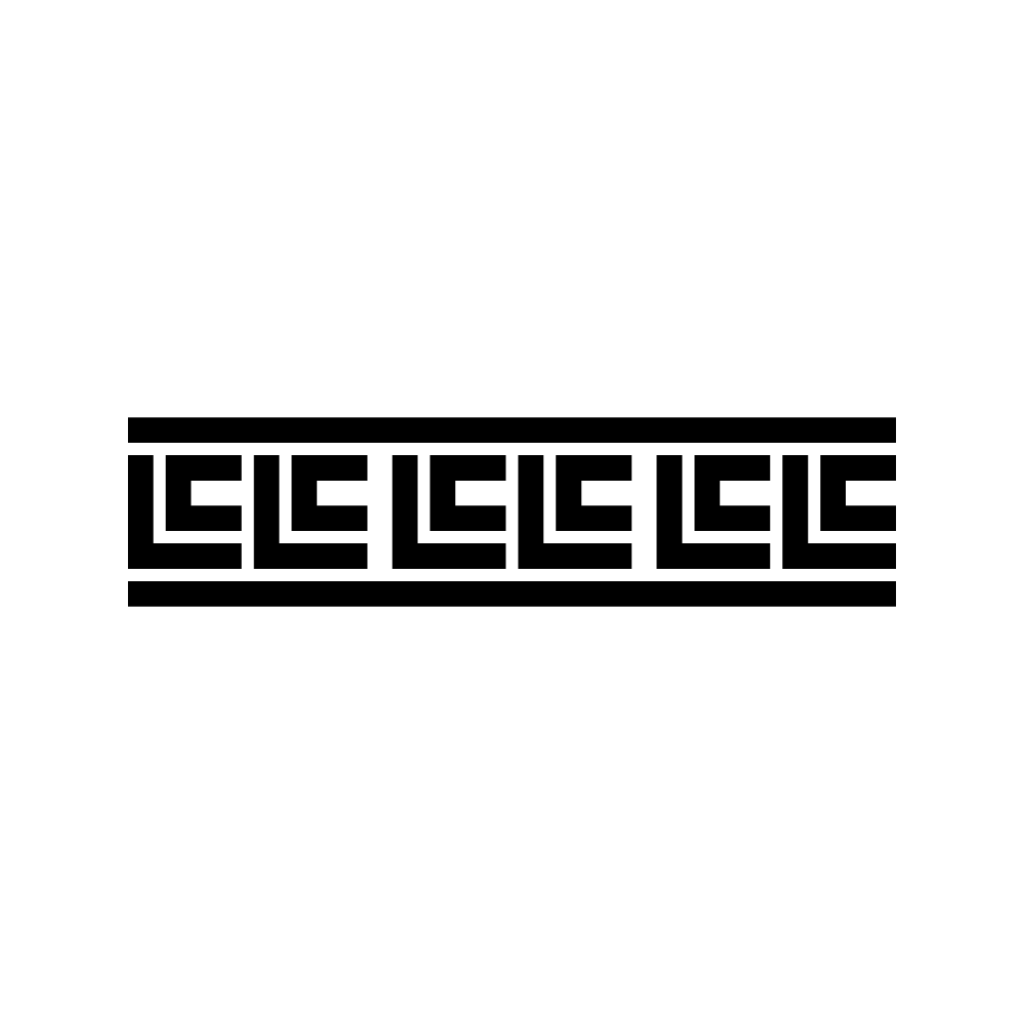
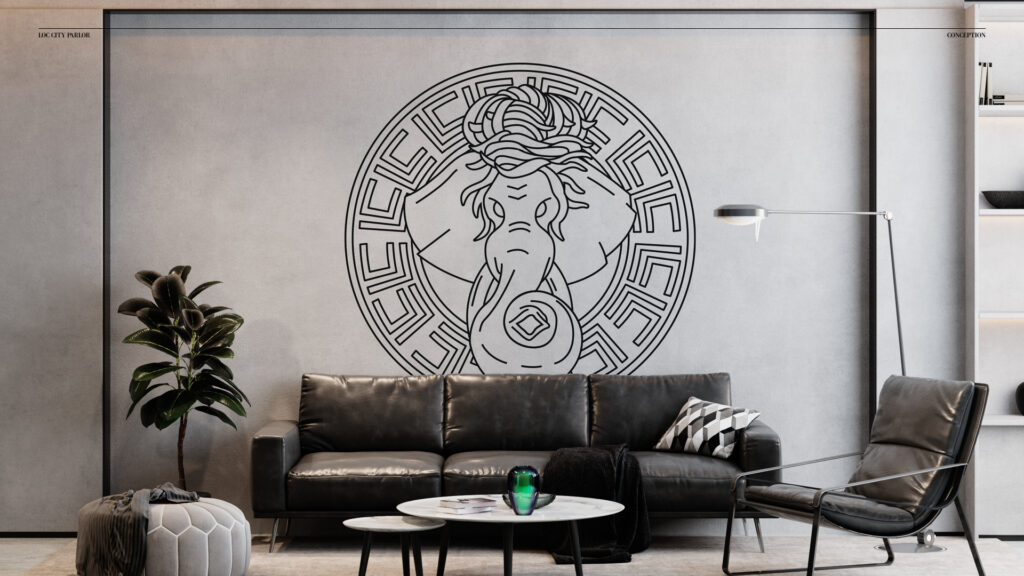
    The process commenced with exploring the owner’s initial Versace-inspired concept: a Lao elephant adorned with locs, framed by a custom “LC” pattern replacing the Greek key. My subsequent research phase involved a deep dive into the cultural nuances and distinct histories of locs, recognizing their global heritage and differentiating them from the specific cultural context of dreadlocks. This understanding highlighted the importance of choosing symbols with inherent cultural weight. Concurrently, research into Lao heritage uncovered the powerful symbolism of the three elephants featured on the flag of the former Kingdom of Laos. This deeper cultural understanding directly informed the visual exploration, moving away from the initial Versace motif.

    Iteration One

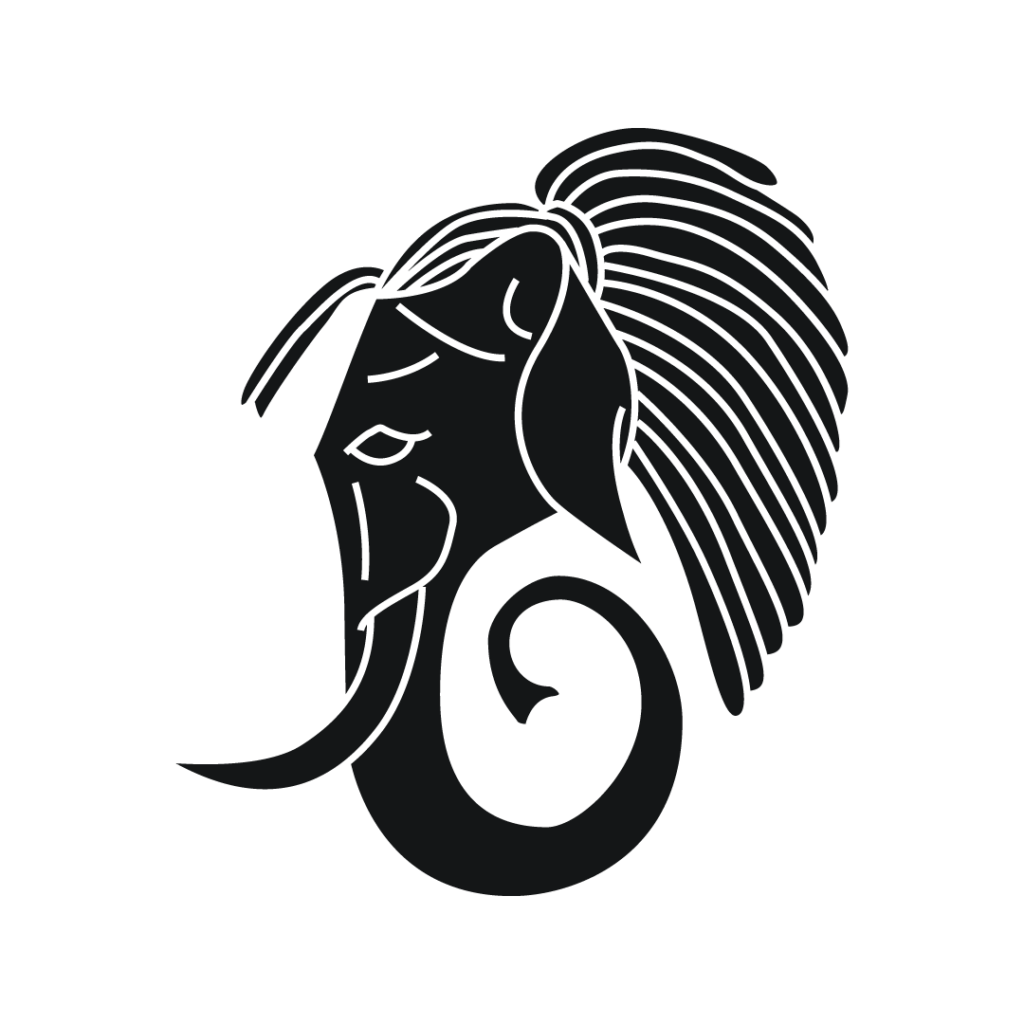
    An early concept featured a side-view illustration of an elephant adorned with loc-style hair, drawing artistic inspiration directly from the single elephant often depicted in Lao cultural symbols.

    Iteration Two

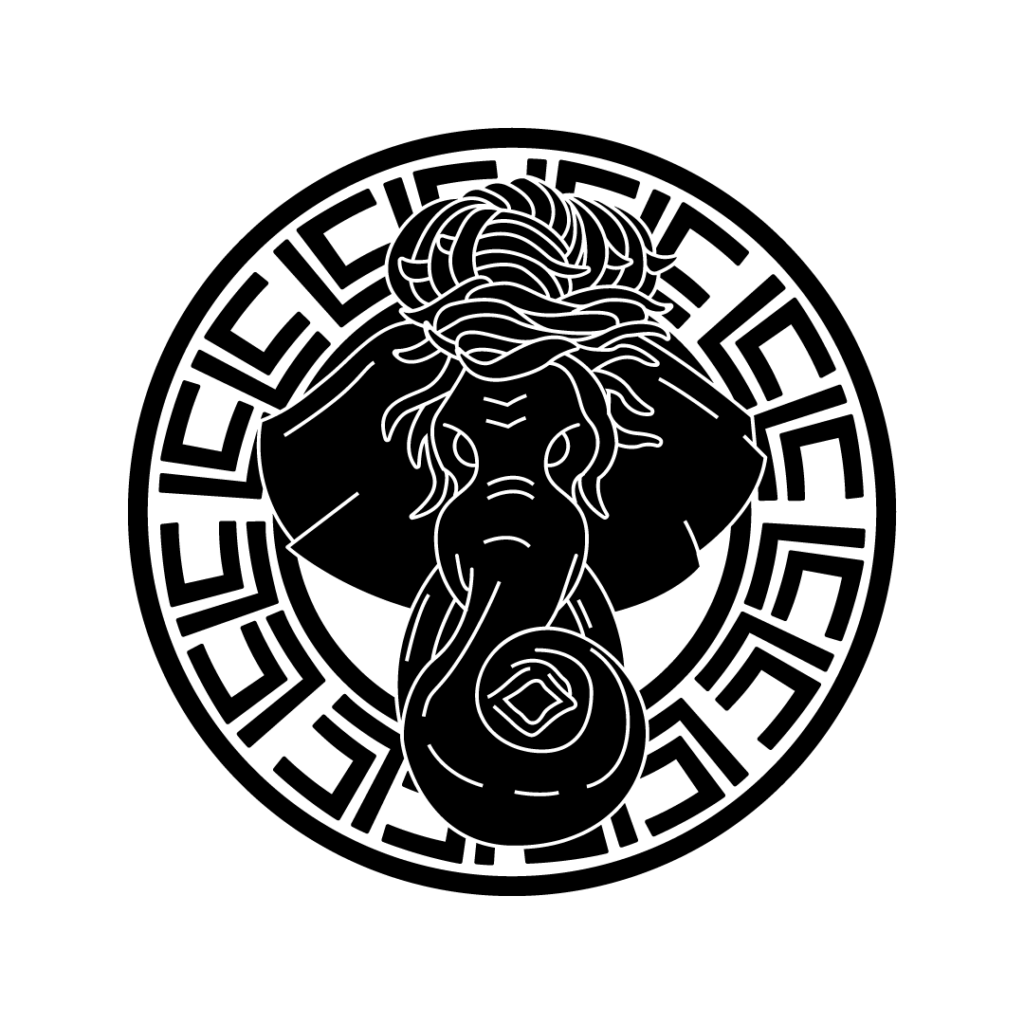
    A subsequent iteration evolved this idea into a front-facing elephant head with loc-style hair, encircled by a custom Greek key-inspired pattern (revisiting the initial luxury concept exploration but aiming for more relevant symbolism).

    Font Selection

    Final Direction

    While these explorations were valuable, reflecting on the research into Lao history ultimately led to the decision that directly utilizing the three separate elephants from the historic Kingdom of Laos flag offered the most powerful and authentic representation, fully embracing the discovered symbolism and cultural fusion central to the brand.

    The Solution

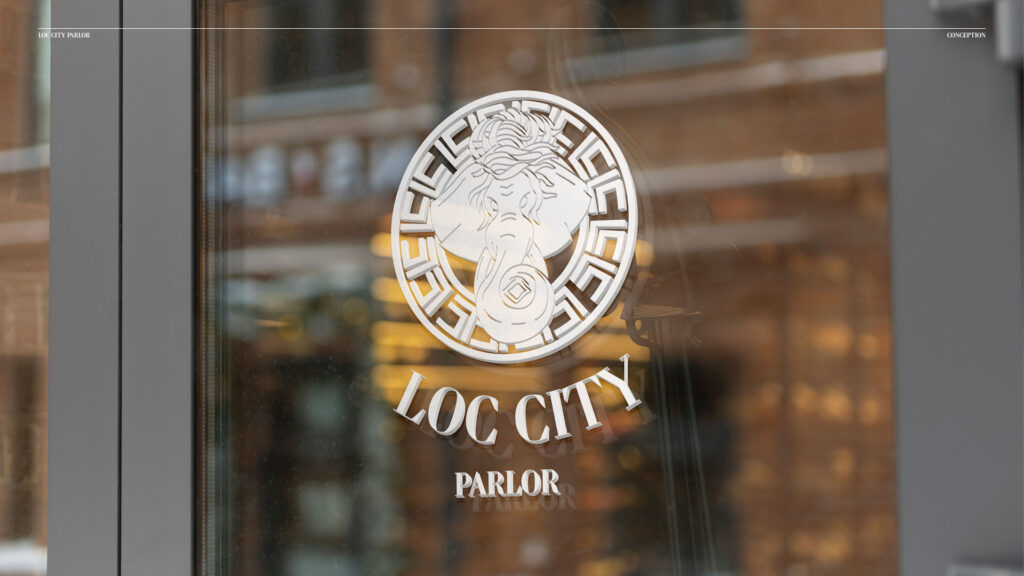
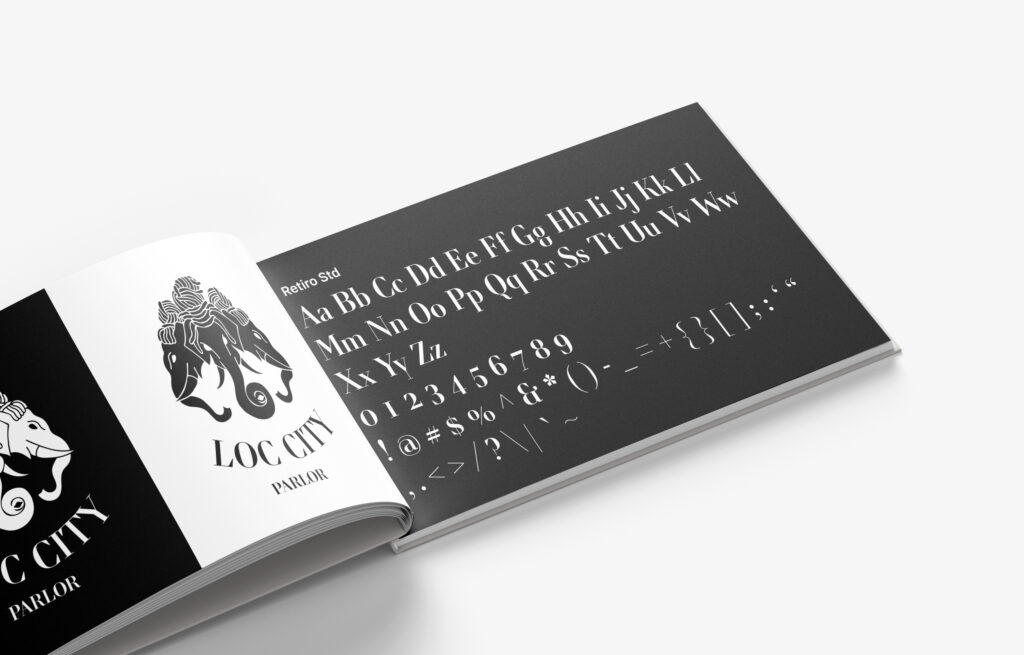
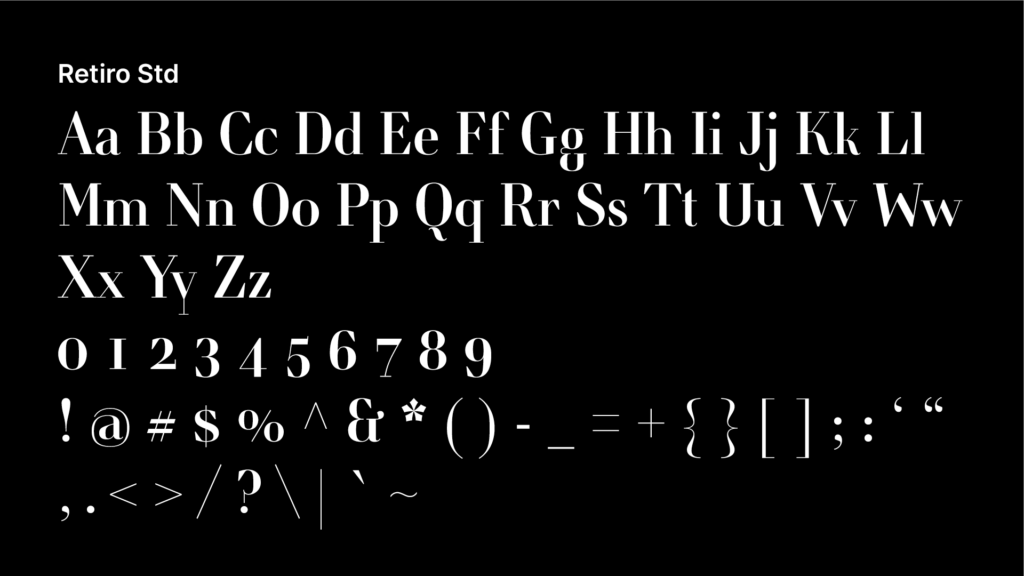
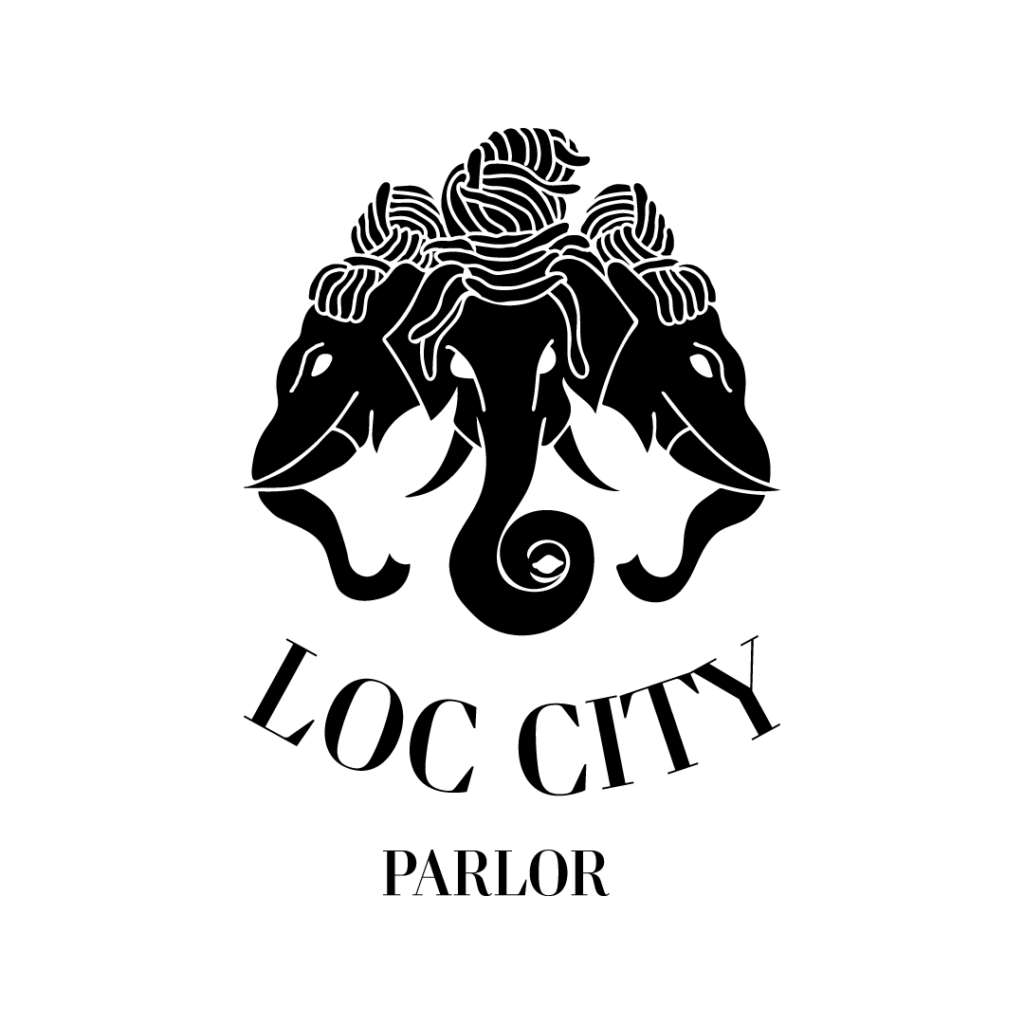
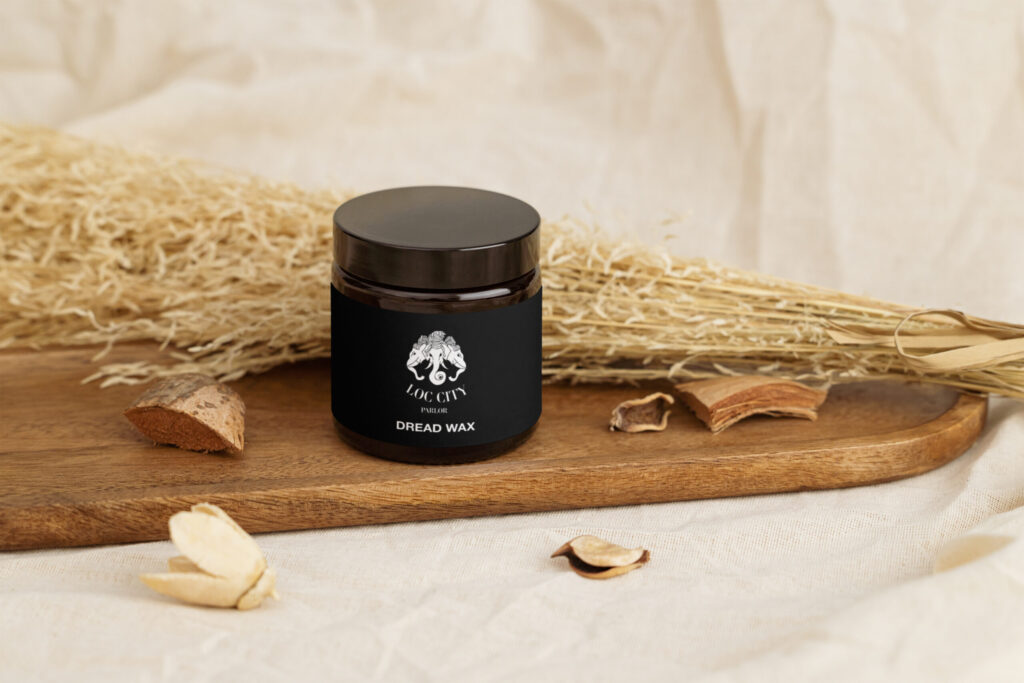
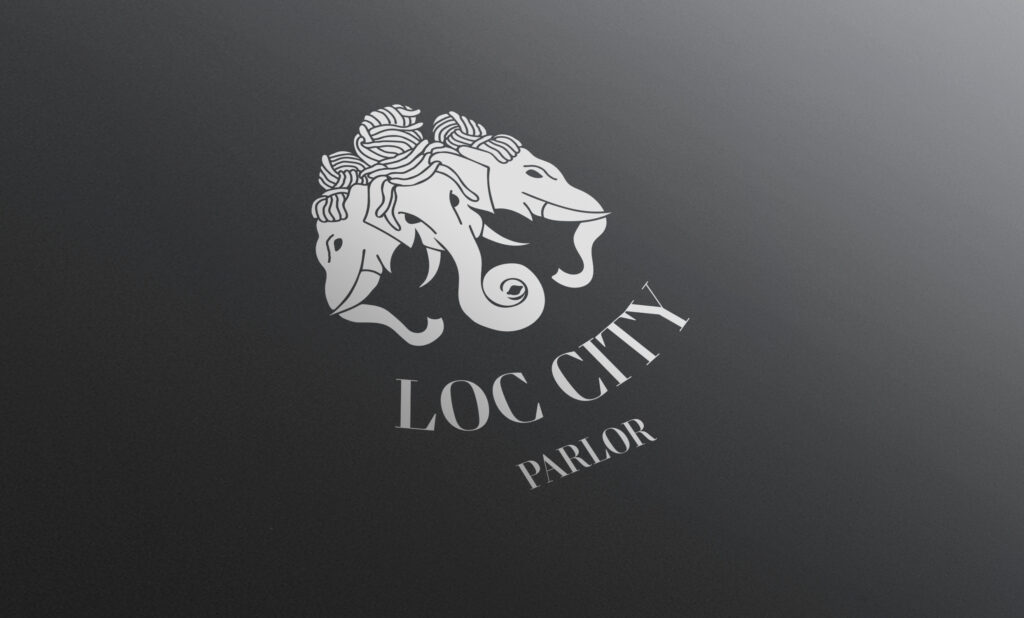
    The final, iconic logomark for Loc City Parlor features the three elephants derived from the historical flag of the Kingdom of Laos, distinctively adorned with loc-style hair. This powerful symbol was ultimately chosen for its ability to profoundly resonate with the brand’s unique identity. It masterfully encapsulates the rich cultural fusion of Lao heritage (elephants) and Black hair artistry (locs), celebrating the diverse community Loc City Parlor serves and honoring the deep roots associated with loc journeys. Complementing the regal nature of the logomark, the elegant serif typeface Retiro Std was selected; its distinctive serifs strike a harmonious balance between luxury and authority, further reinforcing the brand’s prestigious yet culturally rooted identity.

    Results & Impact

    The final logomark, deeply rooted in cultural symbolism, was successfully adopted by the client. It has since become a highly recognizable symbol for Loc City Parlor, effectively representing the brand’s unique identity and reinforcing its legendary status as a staple service provider across its key regions in Northern and Central California, including Elk Grove/Sacramento, the Bay Area, and the Central Valley.

    Mockups

  • Establishing a Foundational Brand Identity for GMT

    Establishing a Foundational Brand Identity for GMT

    The Client

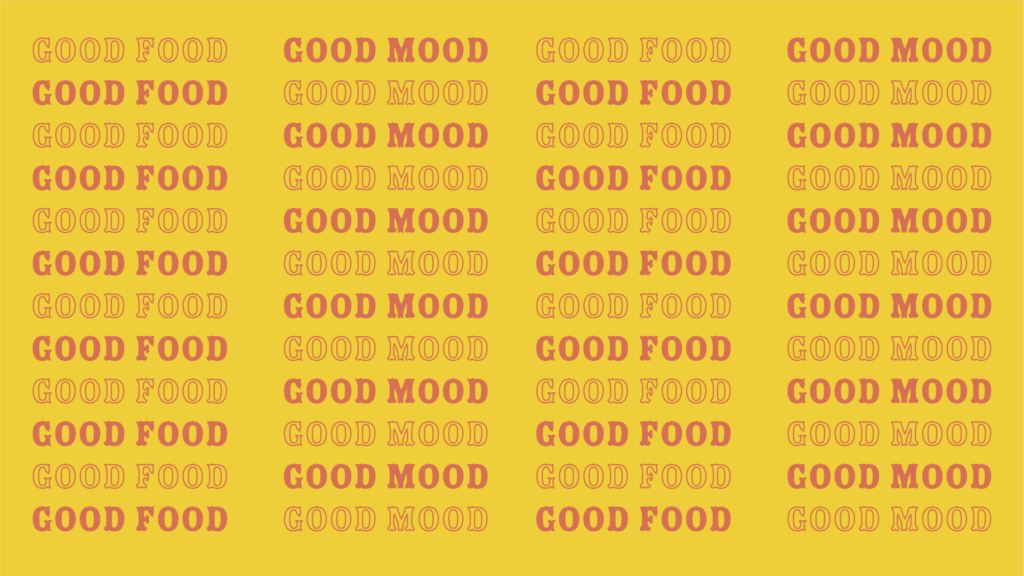
    GRILLED MEATS & TREATS (GMT) has been a beloved food staple in Richmond, VA, since 2006. Founded by a Virginia State University graduate and New York native, the business grew from Italian ice and hot dog push carts into a thriving enterprise with multiple food trucks, a dessert truck, and catering services, known for its commitment to quality and a “Good Food, Good Mood” atmosphere.

    The Challenge

    Despite its local history and growth, GMT lacked a cohesive and professional brand identity. They needed a distinct logo and visual system, created from scratch, to significantly improve brand awareness and recognition across their diverse operations (trucks, carts, catering) within the competitive Richmond metropolitan market.

    My Role

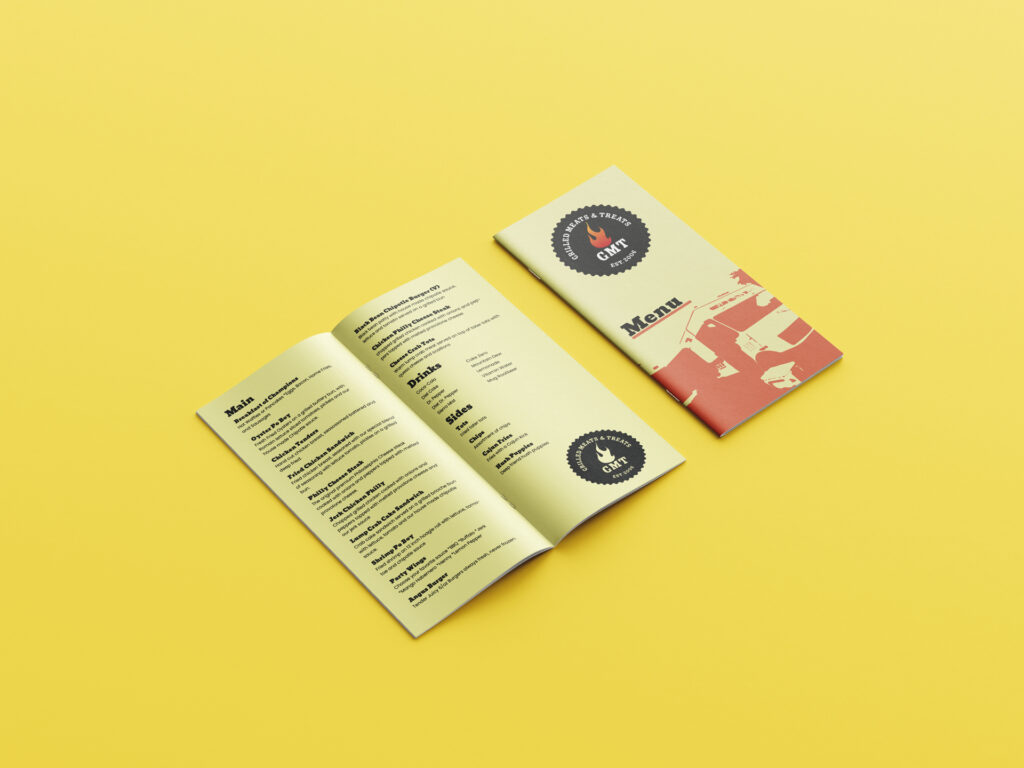
    As the Graphic Designer, I collaborated directly with GMT’s ownership to define, design, and establish their foundational brand identity. My responsibilities spanned research and strategy input, logo system design (primary and secondary marks), brand guideline creation, menu design (for print and web), vehicle wrap design, and the creation of supporting marketing materials.

    Strategy & Approach

    After discovery sessions with stakeholders to understand the company’s roots, values, and expansion goals, coupled with research into the local competitive landscape, we developed a clear strategy. The goal was to create a bold, memorable brand identity evoking a classic American BBQ/Western feel. This approach aimed to build strong local recognition, convey energy and excitement consistent with their food and atmosphere, and provide a professional yet approachable look applicable across all their physical assets.

    Design Process

    • Discovery & Research: Conducted in-depth meetings with GMT ownership; researched local competitors’ visual identities to identify opportunities for differentiation.
    • Concept Development: Based on the ‘BBQ/Western’ strategy, sketched numerous logo concepts and presented iterations to stakeholders, refining the direction based on feedback.
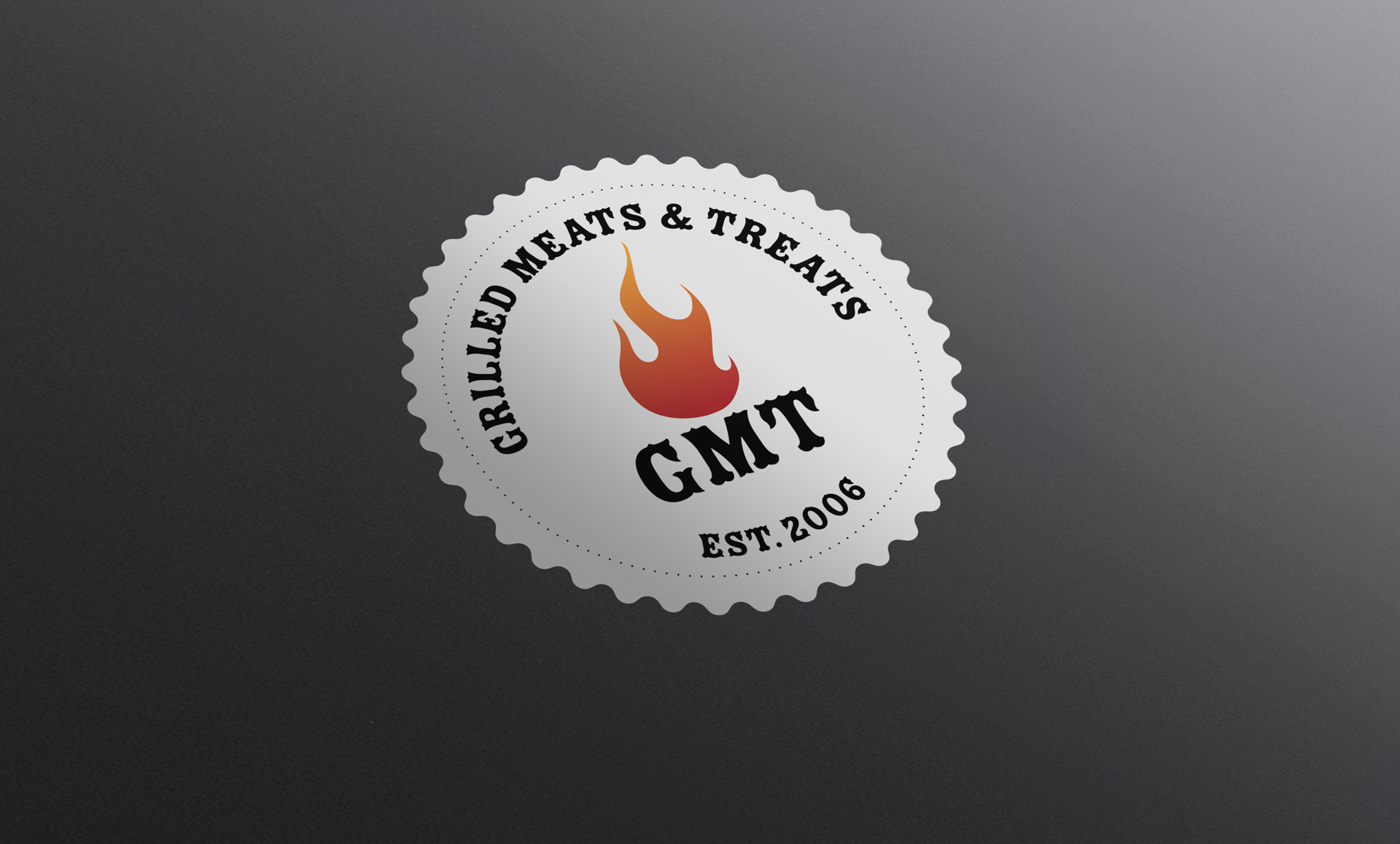
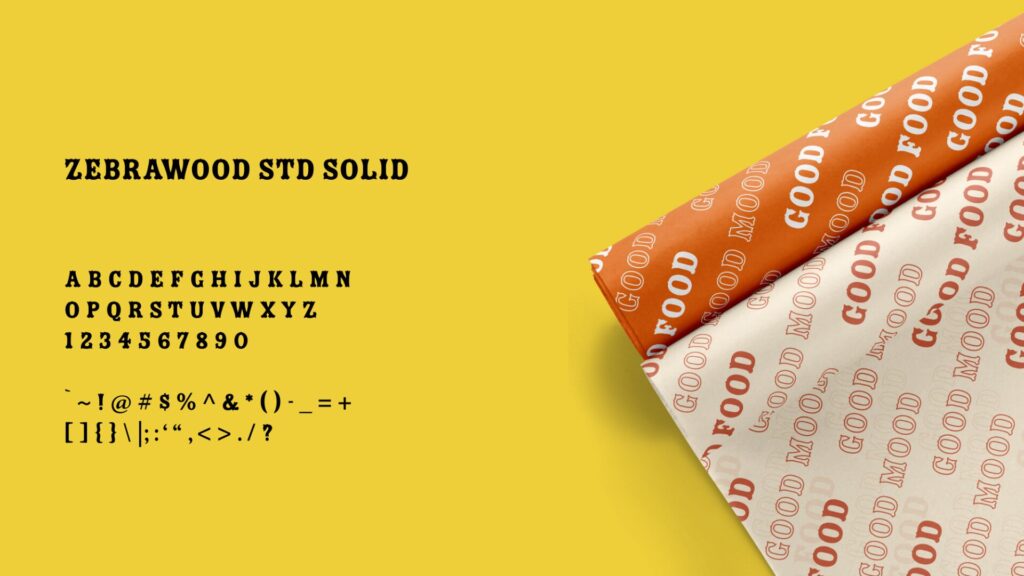
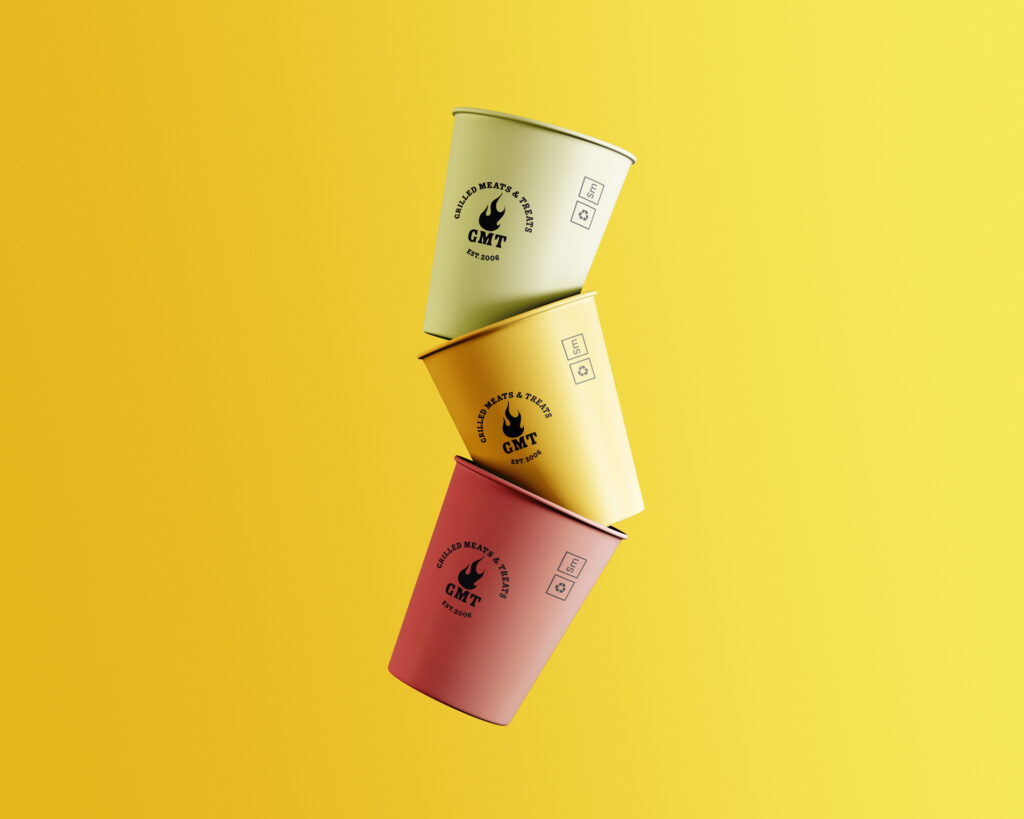
    • Design Execution & Production: Developed the chosen circular logo concept incorporating flames and the specific typeface (Zebrawood STD). Created both primary and secondary logo marks for versatility. Meticulously vectorized the final logo suite in Adobe Illustrator, ensuring scalability for applications ranging from small print menus to large vehicle wraps. Prepared and formatted all assets for various print and online mediums.

    Font Selection

    The Solution

    A comprehensive and cohesive brand identity system was delivered, designed for immediate recognition and long-term use:

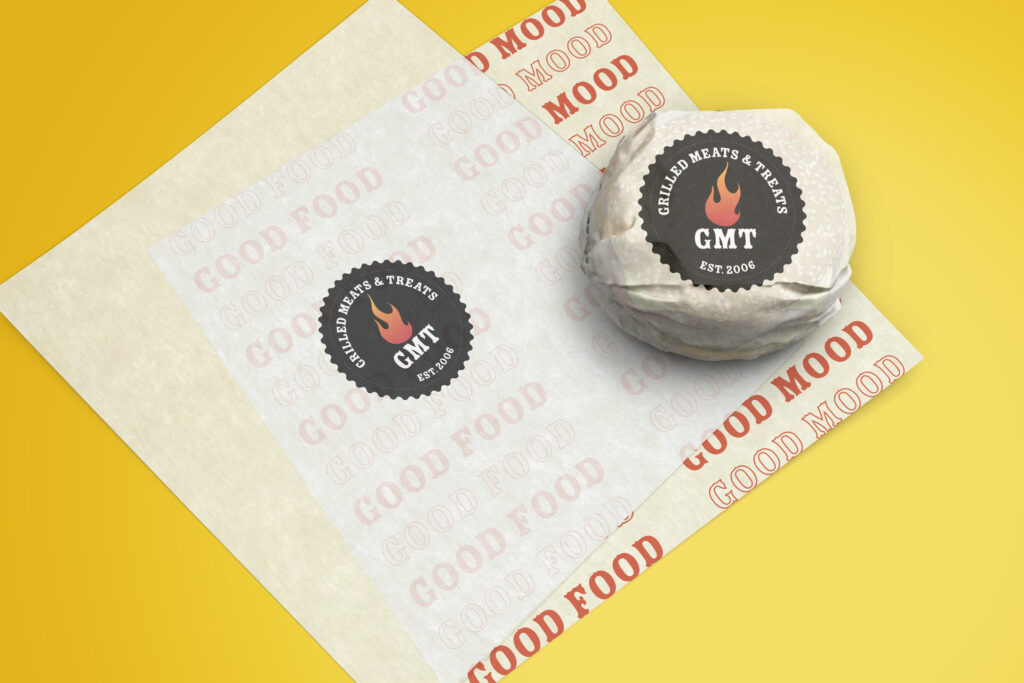
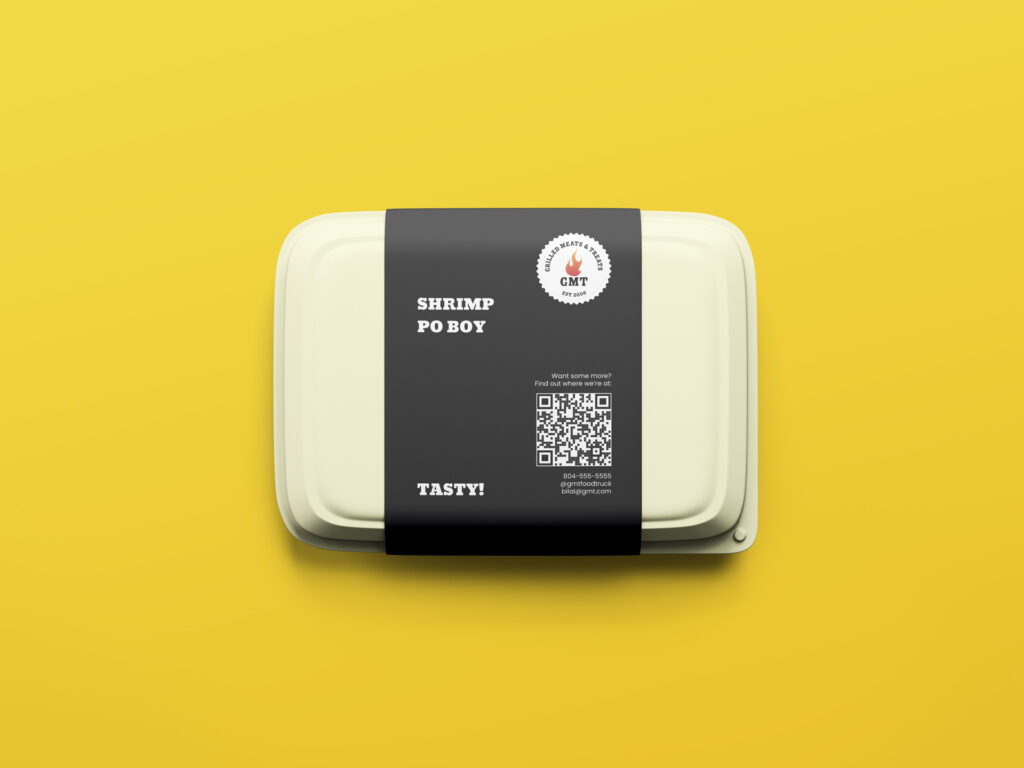
    • Logo System: A distinctive circular logomark featuring integrated flame elements and bold, rounded text using the Zebrawood STD typeface to achieve a classic BBQ/Western aesthetic. Included primary (full) and secondary (small form) versions for versatile application.
    • Color Palette: A warm, energetic palette dominated by reds, oranges, and yellows, selected to evoke excitement, appetite appeal, and align with the BBQ theme.
    • Brand Guidelines: Foundational document outlining correct logo usage, typography, and color specifications for consistency.
    • Key Applications: Designed visually consistent print menus, menus for their website (at the time), impactful vehicle wraps applying the new logo to trailers and food trucks, and various other marketing materials.

    Results & Impact

    The foundational brand identity established through this project has proven exceptionally durable and effective, remaining consistently in use by GMT for over a decade since its creation. This longevity demonstrates the success of the design in capturing the brand’s essence. The cohesive visual system directly addressed the initial challenge, providing GMT with a professional and recognizable identity that supported their increased brand awareness and visibility within the Richmond region. This strong branding provided a vital foundation that contributed to GMT’s significant growth from a single trailer to a prominent multi-truck and catering operation.